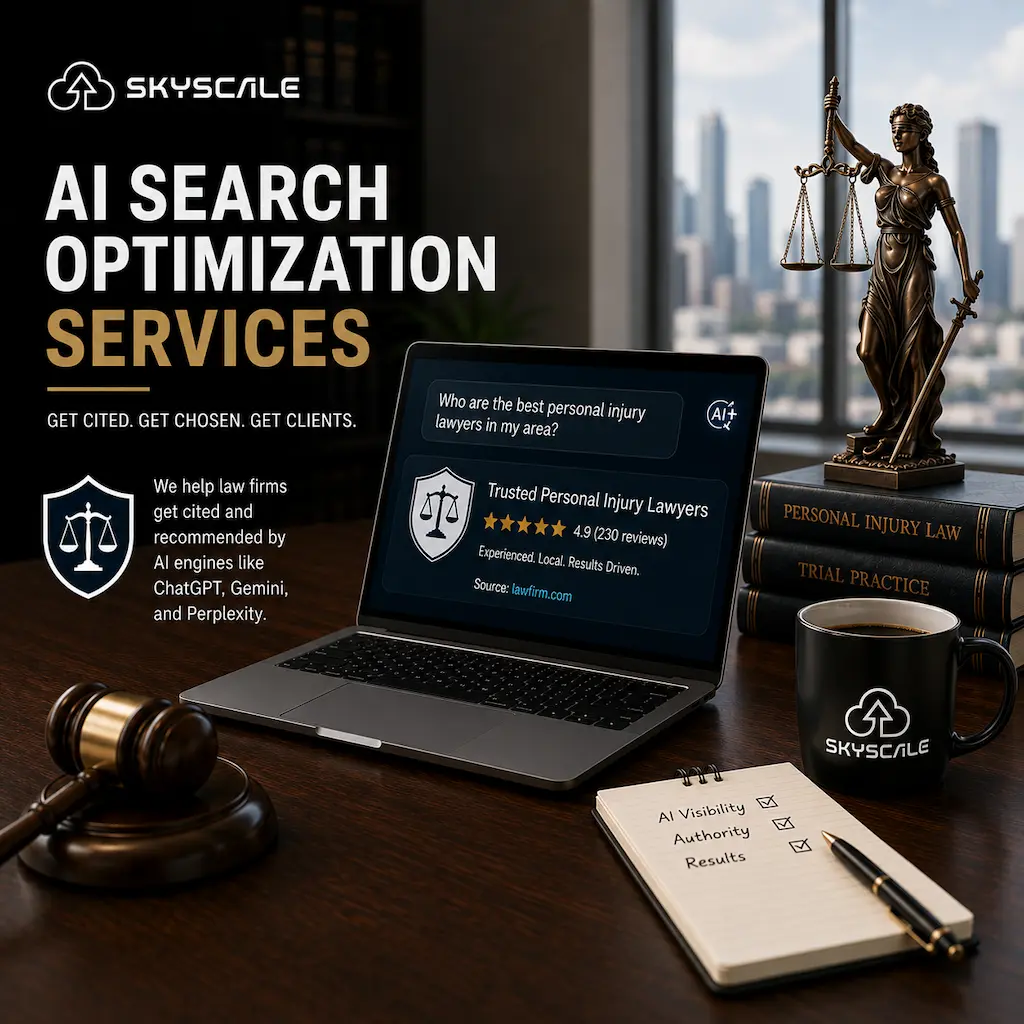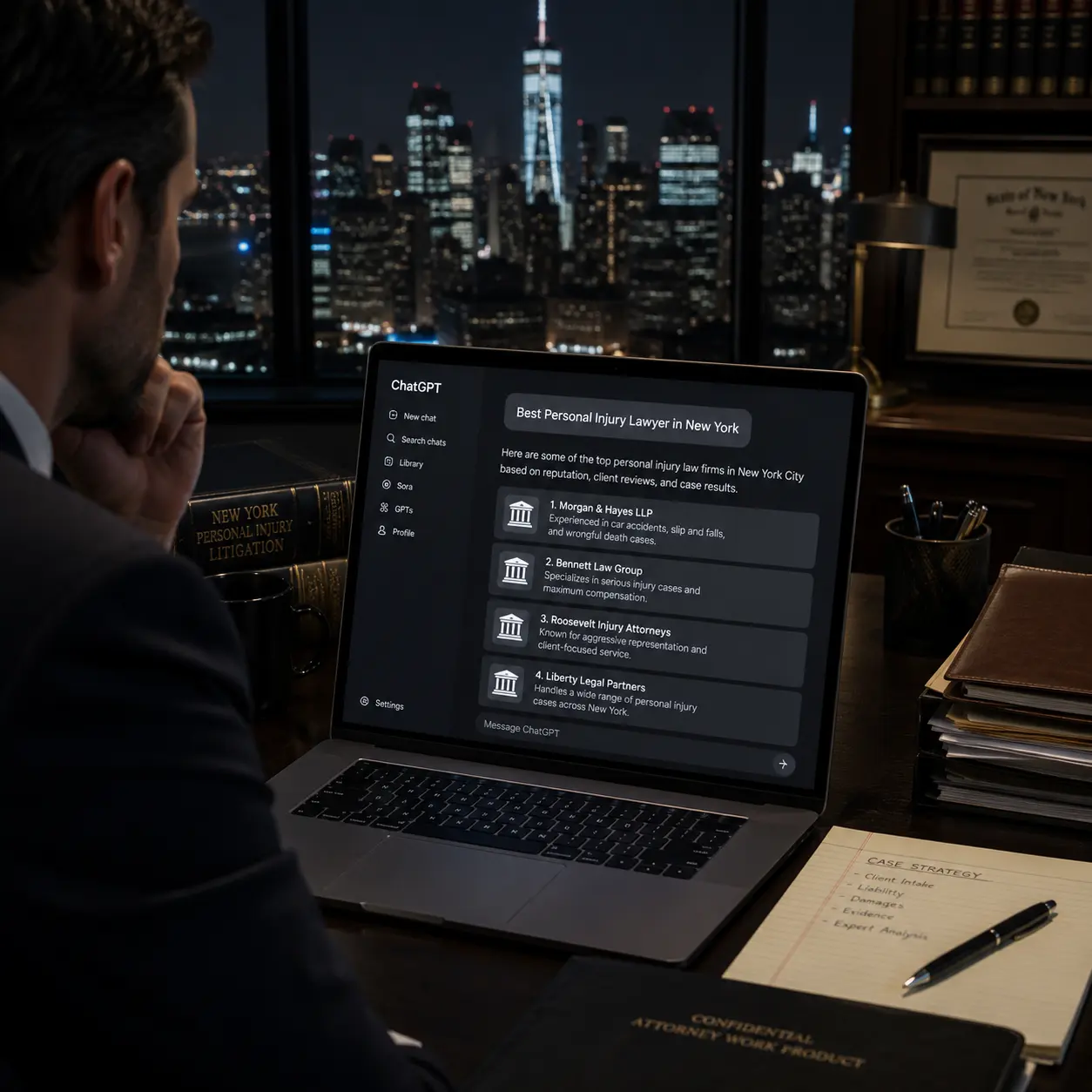


Search engine optimization is no longer just about ranking links on a page. The rise of AI has transformed search engines into answer engines, and businesses must adapt their strategies to stay visible. This shift demands a new approach: Answer Engine Optimization (AEO).
The future of search belongs to brands that think beyond traditional keywords and SERP positions. AEO is the process of structuring your content to be the direct, authoritative answer that AI-driven tools like Google's AI Overviews and voice assistants choose to feature. This guide provides a comprehensive checklist to help you refine your on-page strategy for 2026, ensuring your brand not only gets found but becomes the definitive source in your industry.
What Is Answer Engine Optimization?
Answer Engine Optimization (AEO) is the practice of optimizing content so that AI search engines and voice assistants select it as the best direct answer for user queries. Unlike traditional SEO, which focuses on ranking your entire webpage, AEO prioritizes getting your content featured in AI-generated summaries, "People Also Ask" boxes, and voice search responses.
The fundamental difference lies in the goal. SEO aims to earn a click by ranking high in the list of blue links. AEO, on the other hand, aims to occupy "Position Zero", the answer box at the very top of the results page, which often results in a zero-click search where the user gets their answer without ever visiting a website. While this may sound counterintuitive, the visibility and authority gained from being the chosen answer are invaluable in an AI-driven world.
Understanding AI-Driven Search
Modern search algorithms, powered by sophisticated AI like Google's BERT and RankBrain, have fundamentally changed how queries are processed. These systems are designed to understand the context and intent behind a search, not just match keywords. As a result, they prioritize content that provides clear, direct, and trustworthy answers.
This evolution is amplified by the rapid growth of voice search and mobile usage. Users speaking into their phones or smart speakers expect immediate, conversational answers. This requires content to be structured not just for reading, but for being read aloud by an AI assistant. The brands that adapt to this conversational model will win the future of search.
Simplify evolving AEO trends and position your brand to be cited, trusted, and surfaced inside AI-generated search answers.
.png)
The On-Page AEO Checklist for 2026
To ensure your content is ready for the new era of search, follow this on-page optimization checklist.
Re-evaluate Keywords for User Intent
The foundation of AEO is understanding the "why" behind a search. Shift your keyword research from broad terms to the specific questions your audience is asking.
- Analyze "People Also Ask" (PAA) sections to find related questions that users are actively searching for.
- Mine your Google Search Console data for long-tail, question-based queries that already bring users to your site.
- Use tools like AnswerThePublic to visualize the questions people ask around your core topics.
- Focus on conversational language. Think about how someone would ask a question out loud and build your content around those natural language patterns.
Structure Content for Direct Answers
AI answer engines scan content for quick, definitive solutions. Structure your articles to make these answers easy to find and extract.
- Provide a direct answer first. Begin your article or relevant section with a concise answer to the main question, ideally within 40-60 words.
- Use clear HTML structure. Organize content with logical H2 and H3 headings that mirror common user questions.
- Format for scannability. Use bullet points, numbered lists, and comparison tables to break down complex information into digestible formats that are perfect for featured snippets.
Implement Schema Markup
Structured data, or schema markup, is code that helps search engines understand the context of your content. Implementing it is crucial for AEO.
- FAQ Schema: Use this for question-and-answer pages to signal that your content directly addresses specific queries.
- HowTo Schema: If you have instructional content, this schema helps your step-by-step guides get featured in rich results.
- Article Schema: Apply this to blog posts and news articles to provide context like publication dates and authorship, which builds trust.
- Test your implementation. Use Google's Rich Results Test tool to ensure your structured data is correctly configured and eligible for rich snippets.
Optimize for Voice Search
Voice search is inherently conversational, so your content needs to be as well.
- Write in a natural tone. Create content that reads like a real person talking, avoiding overly technical jargon.
- Focus on question words. Build content around "who," "what," "where," "when," "why," and "how."
- Keep answers concise. Voice assistants need to deliver information quickly and clearly.
- Optimize for local search. Many voice searches are local (e.g., "Where is the nearest coffee shop?"). Ensure your local SEO is up to date if you have a physical presence.
Optimize the User Experience
AEO isn't just about what you say; it's also about how well your site presents it. A seamless user experience signals quality to both users and search engines.
- Clarity and Readability: Use clear fonts, strong color contrast, and plenty of white space. Aim for a Flesch reading-ease score of 60 or higher, making your content accessible to a broad audience.
- Mobile-Friendliness: Your website must have a responsive design that looks and functions perfectly on any screen size.
- Page Load Speed: Fast-loading pages are essential. Slow sites lead to high bounce rates, which tells search engines your content isn't valuable.
- Site Architecture: Organize your website with intuitive navigation so users and search engine crawlers can easily find information.
How to Measure AEO Success
Tracking AEO requires looking beyond traditional SEO metrics.
- Featured Snippet Visibility: Use tools to monitor how often your content appears in "Position Zero" and PAA boxes.
- Click-Through Rates (CTR): While AEO can lead to zero-click searches, a high CTR on your featured snippets indicates your answer is compelling enough to encourage users to learn more.
- Conversion Rates: Analyze whether traffic from featured snippets leads to conversions. Is your direct answer driving valuable user actions?
The Future Is Answer-Driven
Adapting to Answer Engine Optimization is no longer optional. It's the new foundation for digital visibility. By focusing on user intent, structuring content for clarity, and embracing technical best practices like schema markup, you position your brand as a leading authority in your field.
The brands that succeed in 2026 and beyond will be those that provide direct, trustworthy, and valuable answers. Start implementing this AEO checklist today to future-proof your digital presence and become the first choice for both users and the AI that serves them.
Key Features
- Focus on user intent over traditional keyword rankings.
- Structure content for concise, direct, AI-friendly answers.
- Implement schema markup to boost search visibility.
- Optimize content for conversational and voice search queries.
- Prioritize fast, mobile-friendly, and user-focused experiences.
Frequently Asked Questions?

Schema markup provides structured data that helps search engines understand your content better. This increases the chances of your site being featured in rich snippets or direct answers.
Absolutely! AEO levels the playing field by emphasizing quality, relevance, and user-focused content. Small businesses can become trusted authorities in their niches through effective implementation.
Utilize tools like keyword research software, customer surveys, and analytics to understand what questions your audience is asking and how they phrase their queries.
Yes, optimizing for voice search is a critical component of AEO. This involves tailoring content for conversational, long-tail queries typically used in voice search.
The timeline can vary based on your efforts and industry competition, but businesses usually see improvements in engagement and visibility within several months of consistent AEO practices.