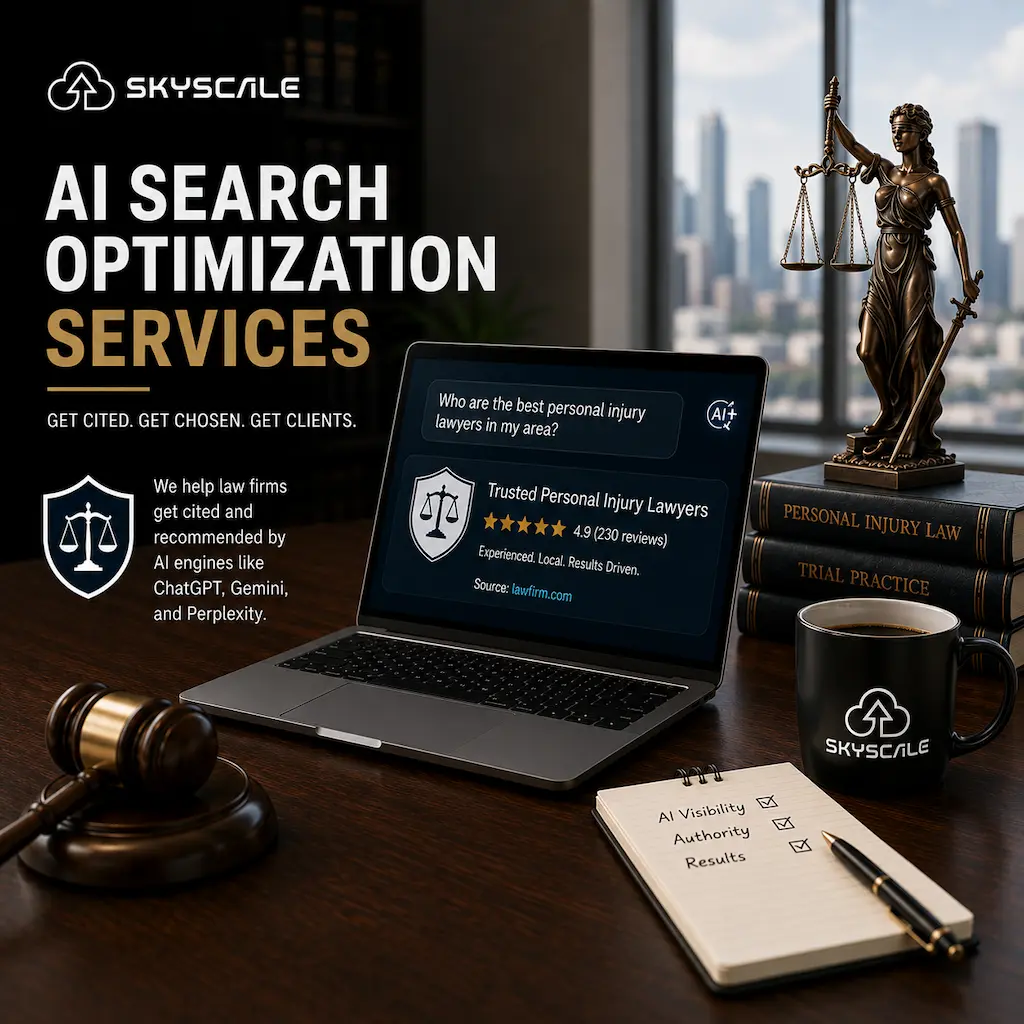


If your brand isn't being cited by AI search engines, it might as well be invisible.
While traditional SEO has focused on climbing the Google rankings, the game is shifting. AI-powered platforms like ChatGPT, Gemini, and Copilot are now answering user queries directly, synthesising information from multiple sources and citing only the most authoritative, structured content. Being referenced in these responses isn't just a nice bonus. It's rapidly becoming essential for brand visibility.
Creating compelling, insightful, and well-researched content is the key to standing out in AI-powered platforms like ChatGPT, Gemini, and Copilot. Focus on delivering clear, actionable information that provides value to your audience. AI tools are designed to prioritise content that aligns with user intent, so ensure your writing is concise, relevant, and engaging to make a lasting impression.
Understanding How AI Engines Select Content
Before diving into optimisation tactics, it's important to understand how different AI engines work, because they don't all operate the same way.
Training data-based engines like GPT-4 rely on information learned during their training phase. To get cited here, you need long-term authority building through consistent mentions across high-authority websites. Your content has to have been absorbed into the model's knowledge base.
Search-based engines like Perplexity conduct real-time web searches when answering queries. They operate more like traditional search engines but with AI comprehension layered on top. This means fresher content has a better chance of being discovered and cited.
Hybrid systems like ChatGPT with browsing and Gemini dynamically choose between their internal knowledge and fresh web searches depending on the query. To succeed here, you need to optimize for both scenarios: build long-term authority and ensure your content is discoverable in real time.
Interestingly, about 90% of ChatGPT citations come from sources outside the top 20 traditional search results. That means depth, structure, and relevance matter more than your Google ranking.
Core GEO Mechanisms That Drive Citations
GEO works through three interconnected mechanisms: content structure optimisation, authority signal integration, and AI crawler accessibility. Master these, and you'll significantly improve your chances of being cited.
Content Structure Optimisation
AI engines need to extract information quickly and confidently. That means your content must be structured for immediate comprehension.
Use short paragraphs, clear language, and logical heading hierarchies. Adopt a conversational tone that mirrors how people actually ask questions. Question-answer formats, bullet points, and numbered lists make it easier for AI to parse and cite your content.
The most successful content combines conversational architecture with comprehensive schema markup. This dual approach helps AI systems understand not just what your content says, but how it relates to user queries.
Authority Signal Integration
AI engines prioritise credible sources. Including specific statistics can improve your visibility by 29%, while expert quotations boost it by 41%.
But don't just drop numbers and quotes randomly. Integrate them naturally within your content so AI systems can identify them as credible, citation-worthy signals. Content that demonstrates first-hand experience, case studies, and unique insights receives priority treatment from AI ranking algorithms.
Domain authority still matters, but expertise shown through original research and documented experience matters more.
AI Crawler Accessibility
Even the best content won't get cited if AI crawlers can't access it.
Implement comprehensive schema markup using structured data to help AI systems understand your content's context and relationships. Use semantic HTML with proper heading tags (H1-H6) and descriptive elements.
Key technical factors include server-side rendering for JavaScript content, optimized robots.txt configurations for AI crawlers like GPTBot and ClaudeBot, and fast loading times under 200ms. These aren't optional; they're baseline requirements for AI comprehension.
High-quality, engaging content earns trust, boosts authority, and increases your chances of being cited by AI search engines and discovery platforms.
.png)
Content Strategies That Get You Cited
Certain content formats consistently perform better in AI citations. Here's what works.
Structured Lists
Bullet points and numbered lists make complex information digestible. AI engines love them because they can extract specific points without ambiguity.
FAQ Sections
Create comprehensive FAQ sections that provide ready-made question-answer pairs AI can reference directly. Implement FAQ and Article schema markup to signal these structures to search systems.
Comparison Tables
Tables that compare products, services, or concepts give AI engines structured data they can easily parse and cite. Make sure your tables are well-labelled and contain factual information.
Statistics and Data
Specific, verifiable statistics dramatically improve citation rates. Always attribute your sources and update data regularly to maintain credibility.
Expert Quotations
Direct quotes from industry authorities lend weight to your content. AI systems recognise and value attributed expertise, so include perspectives from recognised voices in your field.
First-Person Reviews and Case Studies
Content based on personal experience and documented results stands out. AI engines prioritise unique, difficult-to-replicate content over generic information.
Avoid vague generalisations and SEO filler. Instead, back up your claims with examples, data, and real-world applications.
Technical SEO for AI: Making Your Content Discoverable
Technical optimisation for AI requires a different approach than traditional SEO.
Start by configuring your robots.txt file to allow AI crawlers like GPTBot, ClaudeBot, and Google-Extended. Create an XML sitemap to help these bots navigate your site efficiently.
Mobile responsiveness isn't optional; AI engines prioritise content that works seamlessly across devices.
Implement structured data using schema.org markup. This helps AI systems understand your content's context, whether it's an article, product review, FAQ, or how-to guide.
Ensure fast loading times. AI processing systems favour sites that respond quickly, ideally under 200ms.
Distribution Strategy for Maximum AI Exposure
Where you publish matters as much as what you publish.
Focus on high-authority platforms like Medium and LinkedIn. These sites have established credibility with AI engines and can amplify your visibility.
Guest post on industry-specific blogs to build mentions across authoritative domains. Participate actively in community platforms like Reddit and Quora, sharing valuable insights that link back to your expertise.
Don't overlook visual platforms. Share your content on YouTube with transcripts, and distribute key insights on X and Pinterest. The more touchpoints you create, the more likely AI engines will encounter and cite your brand.
Future-Proofing Your GEO Strategy
AI search is evolving rapidly. To stay ahead, regularly monitor which AI platforms cite your content and analyse competitor performance.
Track AI referral traffic in Google Analytics 4 by creating segments for AI-driven visitors. Research shows these visitors convert up to 23% better than traditional organic search traffic.
Focus on building E-E-A-T (Experience, Expertise, Authority, and Trust) into everything you create. High-quality content that demonstrates genuine expertise will always outperform generic SEO filler.
Stay current with AI model updates and understand how different industries are being affected by AI application trends. The brands that adapt quickly will dominate AI search citations in their space.
Take the First Step Toward AI Visibility
GEO isn't a distant future trend; it's happening now. AI engines are reshaping how people discover information, and brands that optimise for these systems today will own the conversations tomorrow.
Start by auditing your existing content. Does it use a clear structure? Does it include authoritative signals? Is it accessible to AI crawlers? These foundational elements will determine whether your brand becomes a trusted source or fades into irrelevance.
The shift from traditional search to AI-driven answers is irreversible. The question isn't whether to optimise for GEO, it's how quickly you can adapt before your competitors do.
Key Features
- High-quality content drives AI citations and visibility.
- Structured data improves comprehension for AI crawlers.
- Authority signals boost credibility and citation frequency.
- Technical accessibility ensures smooth AI content discovery.
- GEO future-proofs brands for AI search dominance.
Frequently Asked Questions?

Start by auditing your content. Focus on clear structure, authoritative signals, and accessibility to AI systems. From there, refine and adapt your strategy based on current trends and technology.
While SEO focuses on optimizing for search engine rankings, GEO is about ensuring your content is ready for AI systems capable of generating conversational and contextual responses.
Content that is clear, concise, factual, and rich in authoritative signals works best for GEO. FAQs, how-to guides, detailed explanations, and structured data are especially effective.
Success in GEO can be measured through increased visibility in AI-driven platforms, higher engagement rates, and improved user satisfaction metrics like time spent engaging with your brand.
Common mistakes include failing to update outdated content, neglecting accessibility for AI crawlers, using overly complex language, and ignoring the importance of clear, structured formatting.