.jpg)


Google's AI Overviews have fundamentally altered how search works. What began as Search Generative Experience (SGE) in the US has now arrived in Australia, bringing with it a new challenge for businesses: how do you stay visible when Google answers questions before users click?
The shift isn't subtle. AI Overviews appear at the top of search results, synthesising information from multiple sources into concise, scannable summaries. For users, it's convenient. For businesses, it means rethinking everything from content structure to conversion strategy.
This guide breaks down what AI Overviews are, how they impact SEO, and what you can do to ensure your brand remains visible in this new search landscape.
What Are Google's AI Overviews?
AI Overviews are AI-generated summaries that appear at the top of Google search results. Instead of presenting a list of links, Google's AI reads, interprets, and synthesises information from across the web to deliver a single, consolidated answer.
Powered by Google's Gemini model, AI Overviews use multi-step reasoning, planning capabilities, and multimodal understanding to handle complex, conversational queries. The result is a search experience that feels less like keyword matching and more like consulting an expert.
Launched in Australia in October 2024 following a May 2024 US rollout, AI Overviews now appear in over 100 countries and support multiple languages including English, Hindi, Indonesian, Japanese, Portuguese, and Spanish.
How AI Overviews Change the SEO Game
AI Overviews don't just change what appears at the top of search results. They fundamentally shift how users interact with search engines and how businesses need to approach visibility.
Fewer Clicks, More Qualified Traffic
When AI Overviews answer simple questions directly, click-through rates drop. A position-one result that once attracted around 39% of clicks now averages closer to 23% when an AI Overview is present.
But here's the catch: the traffic you do receive is often more valuable. Users who click through have already had their basic questions answered. They're looking for deeper solutions, trusted providers, or specific products and services. Google's AI effectively pre-qualifies your audience, sending you fewer visitors who are further along in their buying journey.
If your brand is cited as a source within an AI Overview, Google endorses your expertise. This builds trust before the user even lands on your site, making them more confident and more likely to convert.
Increased Impressions, New Visibility Opportunities
While clicks may fall, impressions can rise. AI Overviews draw from multiple sources to build an answer, which means your content has more opportunities to be seen, even if it's not the top-ranking result.
If your content is authoritative, well-structured, and genuinely useful, it could be pulled into these AI-generated summaries, putting your brand in front of searchers at the very top of Google. This expanded visibility means more brand recognition, more trust, and new opportunities to capture traffic that traditional search alone may not have delivered.
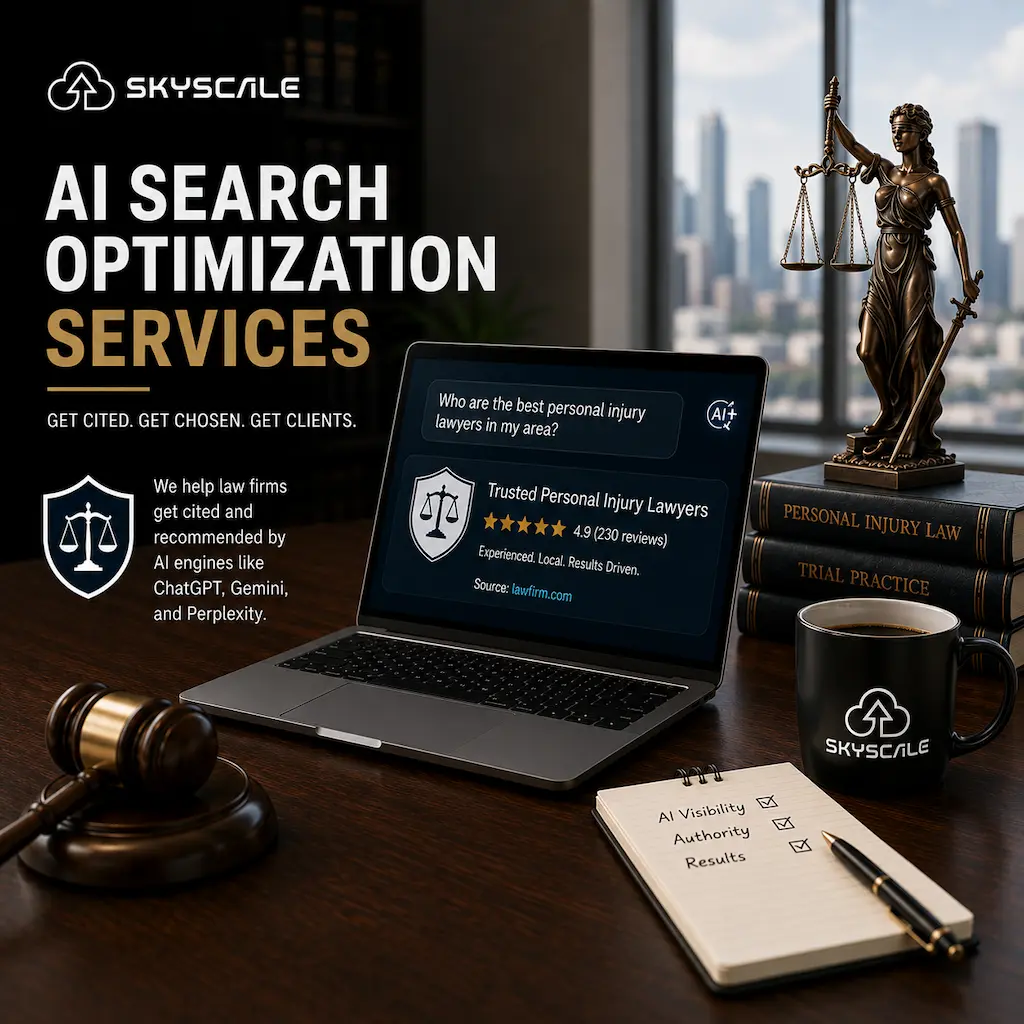
Increase your visibility in AI-driven search with Answer Engine Optimization. We’ll help your business rank in Google SGE, ChatGPT, and Bing Copilot, driving more traffic, trust, and conversions while strengthening your online presence.
.png)
Strategies to Optimise for AI Overviews
Getting featured in AI Overviews requires a dual approach: build a solid SEO foundation to rank in the top 10, then adapt your content so it's easy for AI to understand and worth citing.
Establish Technical Excellence
If your website isn't crawlable, fast, and mobile-friendly, your SEO efforts won't get far. Google's AI evaluates not just content quality, but also how people interact with your site.
Technical essentials:
- Design with mobile responsiveness first
- Use HTTPS for security and trust
- Maintain clean, logical URL structures and up-to-date XML sitemaps
- Add schema markup (FAQ, LocalBusiness, Product) to give Google extra context
- Keep Core Web Vitals in the green, especially on mobile
Pro tip: Use tools like Hotjar, Mouseflow, or Microsoft Clarity to see how visitors navigate your site. Analysing scroll depth, clicks, and engagement patterns can highlight where improvements are needed.
Align with Search Intent
Google's AI Overviews are designed to give users the most complete answer possible, which means your content needs to match search intent.
Instead of only targeting keywords, focus on understanding why someone is searching and delivering content that fully answers their question.
How to align with search intent:
- Study existing AI Overviews for your target queries to see what formats Google is using
- Note the structure: is the answer framed as a how-to, a definition, a comparison, or a local result?
- Take inspiration from the format while adding unique insights or examples that make your content stand out
- Incorporate "People Also Ask" questions into your page to cover related intent
Build Authority with Quality Content
AI has made it much harder to cut corners with SEO. Google's AI can tell the difference between genuine expertise and low-quality content designed only for search engines.
This is why Google's ranking systems place such heavy emphasis on E-E-A-T: Experience, Expertise, Authoritativeness, and Trustworthiness.
Ways to demonstrate E-E-A-T:
- Write detailed author bios that showcase real expertise and credentials
- Share case studies and real-world examples from Australian clients
- Highlight local accreditations and industry memberships on your site
- Use trusted references, linking to .gov.au or .edu.au sources where relevant
- Keep content fresh with regular updates (ideally every quarter)
- Publish in-depth blogs that tackle user questions thoroughly
- Offer downloadable resources (guides, checklists, whitepapers)
- Format content clearly with lists, FAQs, and concise explanations
Structure Content for AI
Google's AI favours content that's simple, skimmable, and well-structured. Most AI Overviews highlight lists or clearly organised answers because they're quicker for users to digest.
How to make your content AI-friendly:
- Use clear headings (H2/H3): Break up your page into sections that directly answer common questions
- Make the most of lists: Step-by-step instructions or quick comparisons work best in bullet points or numbered lists
- Add FAQs with schema: This helps Google recognise your content as a good fit for AI summaries
- Use tables for comparisons: Data like pricing, features, or service options is much easier for AI (and users) to understand in table format
- Summarise key points: Include short recap boxes or highlighted sections for complex topics
Optimise Product Pages
For e-commerce businesses, optimising product pages is more important than ever. Google prioritises Product Detail Page (PDP) data for product-related search queries.
Key elements to include:
- Detailed product descriptions
- High-quality images
- Accurate pricing information
- Customer reviews and ratings
- Size and colour options
- Shipping, availability, and returns policies
- Stock status
Answer Questions Directly
Make sure your website directly answers questions that customers might ask Google about your products or services.
By providing answers to queries like "What services does [your business] offer?" or "How can I book an appointment?", Google's AI can quickly scan your site and deliver results to your customers via an overview.
Optimise for Local AI
With more than two-thirds of local searches now triggering AI-powered results, Australian businesses need to strengthen their local SEO signals to stay visible.
Steps for local AI optimisation:
- Complete your Google Business Profile with every field filled out
- Keep NAP details (name, address, phone) consistent across all Australian directories
- Encourage detailed reviews that mention specific services or suburbs
- Create location pages for key cities, suburbs, or service areas you operate in
- List on trusted directories like Yellow Pages and Localsearch
Google's AI favours results that are community-specific, matching the searcher's context and location. Emphasising where you're based and what communities you serve could boost your chances of being featured.
Build Cross-Platform Authority
Google's AI doesn't just scan your website. It pulls from the entire ecosystem of content linked to your brand. The stronger and more consistent your digital footprint, the more likely you are to be cited in AI Overviews.
Ways to strengthen cross-platform authority:
- Align paid and organic efforts by running Google Ads campaigns that reinforce the same topics you target in SEO
- Leverage YouTube by publishing videos that expand on your main website content
- Join conversations on platforms like Reddit and Quora, where Google increasingly sources information
- Keep messaging consistent across all touchpoints, from social media to ads
Tracking AI Overview Performance
As AI features roll out, it's no longer enough to measure rankings and clicks alone. Businesses need new ways to measure visibility, authority, and the quality of traffic your content generates.
Key metrics to track:
- Traffic quality and engagement, not just volume
- Topical authority across clusters of content, not individual page rankings
- Comprehensive coverage of related topics, not keyword density
- Overall visibility within AI-influenced SERPs, not just position tracking
Tools to use:
- Search Console: Clicks from AI Overviews are included in your overall Web search traffic and appear in the Performance report
- Google Analytics: Track engagement metrics such as time on site, conversions, and bounce rates
- Hall: A dedicated tool to measure how you appear across Google AI Overviews and other conversational AI platforms
Looking Ahead
Google's AI Overviews represent a fundamental shift in how search works. The businesses that thrive won't be those that game the system, but those that genuinely provide value, demonstrate expertise, and structure their content for both human readers and AI interpretation.
The key is to think beyond traditional SEO metrics. Focus on becoming the trusted source Google's AI cites, not just the result users click. Build authority across platforms, answer questions comprehensively, and ensure your content is technically sound and easy to understand.
AI Overviews aren't going away. They're evolving. The brands that adapt now will be the ones Google recommends tomorrow.
Key Features
- Google’s AI Overviews reshape search and content visibility.
- Structured, intent-driven content boosts AI citation chances.
- E-E-A-T builds trust, authority, and ranking power.
- Local schema and FAQs enhance AI understanding.
- Cross-platform authority strengthens brand presence in overviews.
Frequently Asked Questions?

Focus on creating clear, concise, and well-structured content that directly answers users' questions. Use specific headings, include examples or data to support your points, and avoid overly complex language.
While keyword optimization remains helpful, the emphasis has shifted to semantic search and intent-based content. Ensure your content addresses the why and how behind search queries instead of just repeating keywords.
Consistently share valuable, insightful content in your niche across your website, social media, and other platforms. Collaborate with industry experts, engage with your audience meaningfully, and focus on high-quality backlinks.
Technical SEO is crucial as it ensures your content is discoverable and easy to interpret by search engines. This includes optimizing page speed, implementing schema markup, creating mobile-friendly pages, and ensuring proper meta tags and headings.
Stay informed about changes in AI technology and algorithm updates. Continually refine your strategy with data-driven insights, adapt to user behavior patterns, focus on evergreen topics, and prioritize high-quality, user-centric information.