.jpg)


Search has evolved beyond a simple list of blue links. Since Google introduced its Knowledge Graph in 2012, search engines have been on a mission to understand the world more like humans do, not through isolated keywords but through interconnected concepts and relationships. This is the foundation of Entity SEO, a strategy that is becoming essential for any business wanting to maintain its authority in an AI-driven world.
As AI continues to redefine how information is discovered and presented, your brand's visibility depends on how clearly it is defined as a distinct, credible entity. Without a solid entity-based strategy, you risk becoming invisible to both search engines and your potential customers. This guide will walk you through what Entity SEO is, why it matters, and how you can implement it to secure your brand's authority for the future of search.
What Are Entities, and How Does AI Understand Them?
In the context of search, an entity is a clearly defined person, place, organisation, brand, or product. Think of entities as the nouns of the internet. Google, for example, understands that "Apple" can be a fruit, but it also recognises "Apple Inc." as a specific technology company with a founder (Steve Jobs), products (iPhone), and competitors (Samsung).
AI-powered search engines identify these entities and map the semantic connections between them. These relationships help the AI determine which brands are credible, relevant, and trustworthy enough to cite in its answers. This complex web of information is often organised into a Knowledge Graph, which mimics the human brain's ability to link concepts together. For businesses, this means being recognised as an entity is the first step toward building digital authority.
Why Entity SEO is No Longer Optional
The shift from keywords to entities is one of the most significant changes in SEO history. Relying solely on keywords is like giving a search engine a single puzzle piece. Entity SEO, on the other hand, provides the entire picture. It helps search engines understand the subject of your content with greater accuracy, which influences your rankings and overall quality score.
How to Implement an Entity SEO Strategy
Building your brand's authority through Entity SEO involves several key tactics. Here’s how you can get started.
Use Schema Markup to Define Your Entity
Schema markup is code you add to your website to help search engines understand your content more effectively. It explicitly tells Google or an AI system what your business is, whether you're a local marketing agency, a hospital, or a software company.
By using schema, you can define your organisation's attributes, such as its official name, logo, address, and social media profiles. This makes it easier for search engines to connect the dots and recognise your brand as a legitimate entity. For example, using the @id property in your schema can help link your website's entities to external references like a Wikipedia page or a company profile on a trusted directory, further solidifying your identity.
Build Authority with Entity Stacking
Entity stacking is the practice of associating your brand with other trusted and relevant websites, communities, and entities. This process builds relationships that reinforce your authority in your specific industry. When AI sees your brand mentioned alongside established authorities, it begins to trust your content more.
Here are some industry-specific examples:
- Technology & SaaS: Getting reviews on G2, mentions on Gartner, or contributions on GitHub and Stack Overflow signals expertise.
- Healthcare: Citations in reputable sources like the Mayo Clinic or professional medical associations establish credibility.
- Legal: Being cited on platforms like Avvo, Justia, or other legal directories validates your firm's legitimacy.
- Financial Services: Mentions in FINRA, the SEC, or respected financial media like Investopedia carry significant weight.
Strengthen Connections with Internal Linking
Your internal linking strategy is a powerful tool for Entity SEO. Instead of using generic anchor text, use the names of entities to create links between your pages. For example, if you have a blog post about a specific product, link to it using the product's name from other relevant pages on your site. This strengthens the semantic connections within your website and signals to search engines how your content is interconnected.
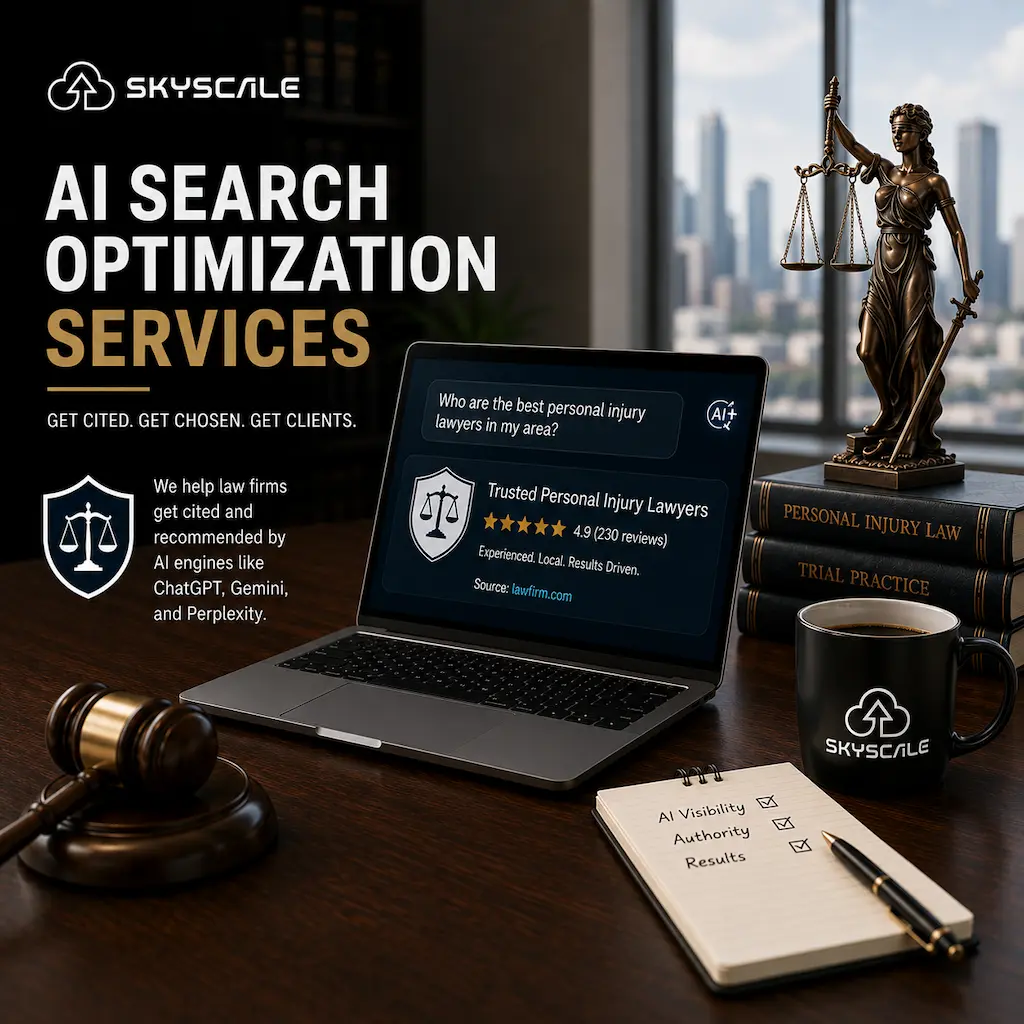
Strengthen your brand as a trusted entity in AI search. Structure your content for recognition, relevance, and citations across AI platforms.
.png)
Key Tools for Entity SEO
Several tools can help you identify entities and generate the necessary markup to implement your strategy:
- TextRazor: This tool analyzes your content to identify key entities, allowing you to see which people, places, and organisations are mentioned.
- WordLift: WordLift helps automate the process of adding schema markup, including sameAs properties that connect your entities to other data sources.
- Screaming Frog: This tool can be used to generate JSON-LD schema at scale, making it easier to implement across your entire website.
Don't Forget Google's E-E-A-T
Google’s guidelines for content quality are summarised by the acronym EEAT: Experience, Expertise, Authoritativeness, and Trustworthiness. Entity SEO is directly tied to E-E-A-T. By building your brand as a recognised entity, you are inherently demonstrating your authority and trustworthiness.
Optimising your content for EEAT means ensuring it is written by experts, factually accurate, and supported by citations from reputable sources. There is no authority without being mentioned and cited, and this is a core principle of Entity SEO.
The Future of SEO: AEO and GEO
As search evolves, so do the strategies needed to succeed. Two new concepts are emerging at the forefront of AI search: Answer Engine Optimization (AEO) and Generative Engine Optimization (GEO).
Answer Engine Optimization (AEO)
AEO focuses on optimising content to appear directly in AI-generated responses, such as Google's AI Overviews or featured snippets. The goal is to provide immediate, authoritative answers to user queries. Success in AEO is measured by visibility within these AI-generated results and the frequency of brand citations.
Generative Engine Optimization (GEO)
GEO takes this a step further. It involves strategically structuring and marketing your content so that generative AI platforms like ChatGPT, Gemini, and Copilot can easily understand, extract, and cite it. This requires optimising for technical concepts like vector embeddings and passage-level relevance, ensuring your content is formatted for easy extraction by AI.
Both AEO and GEO rely heavily on a strong entity foundation. The clearer your entity signals are, the more likely AI engines will be to trust and feature your content.
Build Your Authority for Tomorrow's Search
Entity SEO is no longer a niche strategy for advanced marketers; it is the new foundation for digital authority. By clearly defining your brand as an entity, building relationships with other trusted sources, and optimising your content for AI interpretation, you can future-proof your visibility.
The world of search is becoming more conversational and intelligent. The brands that succeed will be those that are not just found, but are understood and trusted by AI. Start building your entity strategy today to ensure your brand remains a relevant and authoritative voice in your industry for years to come.
Key Features
- GEO ensures brand accuracy in AI-generated summaries.
- Structured data improves AI comprehension and citation precision.
- Conversational language boosts visibility in generative search.
- Topical authority strengthens brand credibility and trust.
- Consistent updates maintain content relevance for AI.
Frequently Asked Questions?

An entity refers to a specific person, place, thing, or concept that is uniquely identifiable. Search engines like Google use entities to understand and categorize information more effectively.
Building an entity strategy helps search engines understand your brand's relevance and authority, making it easier for your audience to discover you in search results.
AI enables search engines to process information more conversationally and contextually. Brands need to optimize for AI by focusing on clear, structured, and authoritative content.
You can achieve this by creating consistent branding across platforms, earning backlinks from trusted sources, structuring your website's data, and actively managing your online reputation.
Absolutely! By positioning your business as a reputable entity, you increase visibility and trustworthiness, which is vital for attracting both AI-driven results and local audiences.