

When you type a question into Google, you’ve probably noticed the special box at the top of the search results that gives you a quick, direct answer. That's a featured snippet, and for years, it has been the most coveted real estate in SEO, often called "position zero".
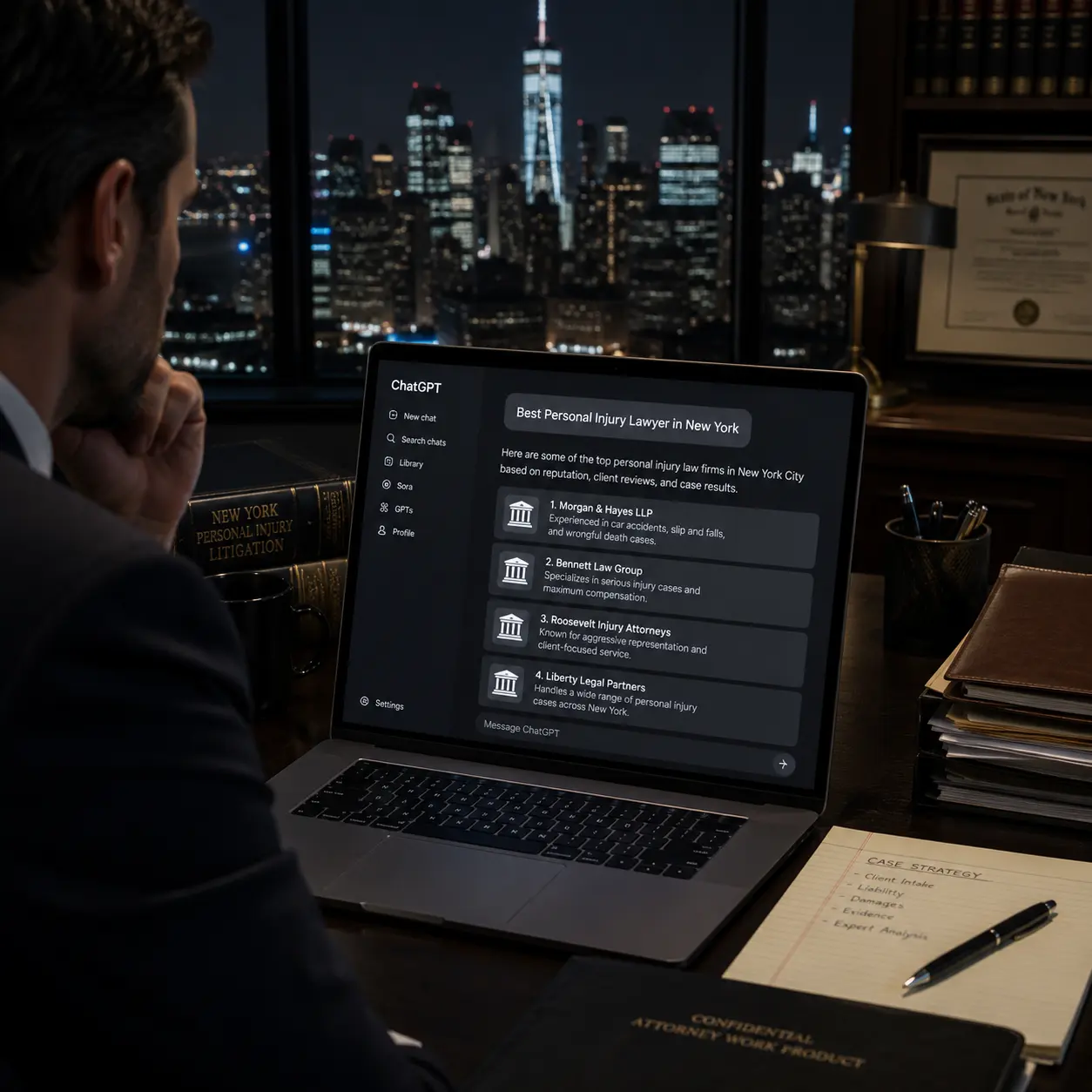
However, the search landscape is shifting. With the rise of AI-powered search through AI Overviews (AIOs) and conversational tools like ChatGPT, the way we find information is evolving. This has led to two new, crucial fields: Answer Engine Optimization (AEO) and Generative Engine Optimization (GEO). AEO focuses on structuring content to directly answer user questions for voice assistants and AI, while GEO ensures your content is surfaced and cited by generative AI models.
So, where do featured snippets fit into this new world? They are more important than ever. Optimizing for featured snippets is no longer just about gaining a top spot; it's a foundational strategy for succeeding in AEO and GEO. This post will guide you through how to use featured snippet optimization to enhance your AEO results and prepare your content for the future of search.
Understanding Featured Snippet Types
Before you can optimize for featured snippets, you need to know what you're aiming for. Snippets are not one-size-fits-all; they come in several formats, each suited to different types of queries. By understanding these formats, you can structure your content to match what Google is looking for. According to a Semrush study, nearly 5% of all search queries return a featured snippet, making them a significant opportunity.
Here are the main types:
Paragraph Snippets
These are the most common type of featured snippet, providing a concise, text-based answer to a question. They typically appear for "what is", "who is", or "why is" queries. The sweet spot for a paragraph snippet is between 40 and 60 words. The goal is to provide a direct, clear definition or explanation that Google can easily lift from your page.
List Snippets
List snippets present information in a step-by-step or bulleted format. They are perfect for "how-to" guides, recipes, rankings, or "best of" lists. There are two kinds:
- Ordered Lists: These are numbered and used for sequential steps, like a recipe or a tutorial.
- Unordered Lists: These are bulleted and used when the order of items doesn't matter, such as a list of tools or features.
Table Snippets
When a query involves comparing data, prices, or features, Google often pulls information into a table snippet. This format is excellent for organizing structured data in a way that is easy for users to scan and compare. Google typically scrapes content that is already formatted in an HTML table on your page.
Video Snippets
For visual or action-oriented queries, like "how to tie a tie," Google may feature a video snippet. This is usually a clip from YouTube where Google highlights the specific segment of the video that answers the query, complete with timestamps.
How to Optimize for Featured Snippets
Optimizing for featured snippets is a strategic process that aligns your content with the formats and signals that search engines prioritize. It's about making your content the clearest, most direct, and most authoritative answer available. An Ahrefs study found that 99% of featured snippets come from pages already ranking on the first page, so a strong SEO foundation is essential.
Here’s how to do it.
Conduct Question-Based Keyword Research
Featured snippets are designed to answer questions. Your first step is to identify the questions your target audience is asking. Focus on long-tail keywords, as these conversational queries are more likely to trigger a snippet.
- Use Tools: Platforms like AnswerThePublic and AlsoAsked are invaluable for discovering questions related to your topic.
- Analyse "People Also Ask": The "People Also Ask" (PAA) boxes in Google's search results are a goldmine of related queries you can target.
- Check Google Search Console: Look at the queries your site already gets impressions for. Can you reformat your content to directly answer them?
Answer Questions Directly and Concisely
The best way to win a snippet is to provide a ready-made answer. Use the inverted pyramid model: give the direct answer first, then provide supporting details and context.
- Craft a "Snippet Bait" Paragraph: For each target question, write a clear, concise paragraph of 40-60 words. Place this answer directly below a heading (H2 or H3) that contains the question.
- Be Objective: Frame your definitions and answers neutrally, especially for definitional queries. Write it like a dictionary entry.
Use Semantic Snippet Stacking and Friendly Layouts
Don't just target one question per page. A single, comprehensive article can be optimized to capture multiple featured snippets. This is known as "snippet stacking."
- Structure with Headings: Break your content into logical sections using H2 and H3 tags. Each section should address a specific sub-topic or related question. For lists, wrap each step in a heading tag (e.g., <h2>Step 1: Do This</h2>).
- Use Consistent Formatting: If you're creating a numbered list, use a consistent format like "Step 1," "Step 2," or "1.," "2.". This makes it easy for search engines to parse the sequence.
- Create Tables: For comparative data, use HTML tables (<tr> tags) to structure your information. Google is more likely to pull from a pre-formatted table than to create one from unstructured text.
Use Schema Markup
Schema markup is a form of microdata that helps search engines understand the context of your content. While not a direct ranking factor for snippets, it can improve your eligibility.
- FAQ Schema: Use this for question-and-answer sections on your page.
- HowTo Schema: This is perfect for step-by-step guides and tutorials, clearly outlining each step for Google.
- VideoObject Schema: For video content, this schema helps Google understand the video's content, duration, and key moments.
Own position zero with structured, answer-first content designed to capture featured snippets and strengthen your authority in AI-powered search.
.png)
Tools to Power Your AEO Strategy
You don't need an entire suite of expensive tools to start optimizing for AEO. A few key platforms can give you the insights needed to make an impact:
- Semrush & Ahrefs: These are essential for identifying keywords that already have featured snippets and for tracking your own snippet wins.
- Frase.io & Surfer SEO: These tools help you analyse top-ranking content and identify common questions, heading structures, and keywords needed to compete.
- Google Search Console: Your best source of free data for identifying high-impression queries that could be optimized for snippets.
The Future is Answer-Driven
Featured snippets are no longer just an SEO trophy; they are a critical bridge to the future of search. As AI continues to reshape how users interact with information, having content that is structured for direct answers is non-negotiable.
Optimizing for featured snippets is a direct investment in your AEO and GEO strategy. The clear, authoritative, and well-structured content that wins a snippet is the same content that will be surfaced by voice assistants and cited by generative AI engines.
Key Features
- Optimize content for concise, question-based featured snippets.
- Use structured formats like lists, tables, and videos.
- Implement schema markup to enhance snippet eligibility accuracy.
- Conduct question-focused keyword research using specialized SEO tools.
- Align snippet optimization with broader AEO and GEO strategies.
Frequently Asked Questions?

The time to rank in a featured snippet varies based on competition, keyword difficulty, and the quality of your content. Regular updates and optimizations improve your chances over time.
Yes! Featured snippets often serve as the primary source for answers delivered by voice assistants, making them essential for voice search optimization.
There are several types of featured snippets, including paragraphs, lists, tables, and videos. Each serves to provide information in the format that best answers the query
To win a featured snippet, make your content clear, well-organized, and concise. Use headings, bullet points, tables, and direct answers to user questions to improve your chances.
A featured snippet is a selected search result that appears at the top of Google’s search results, providing quick, concise answers to users' queries. These snippets pull relevant information directly from a webpage.