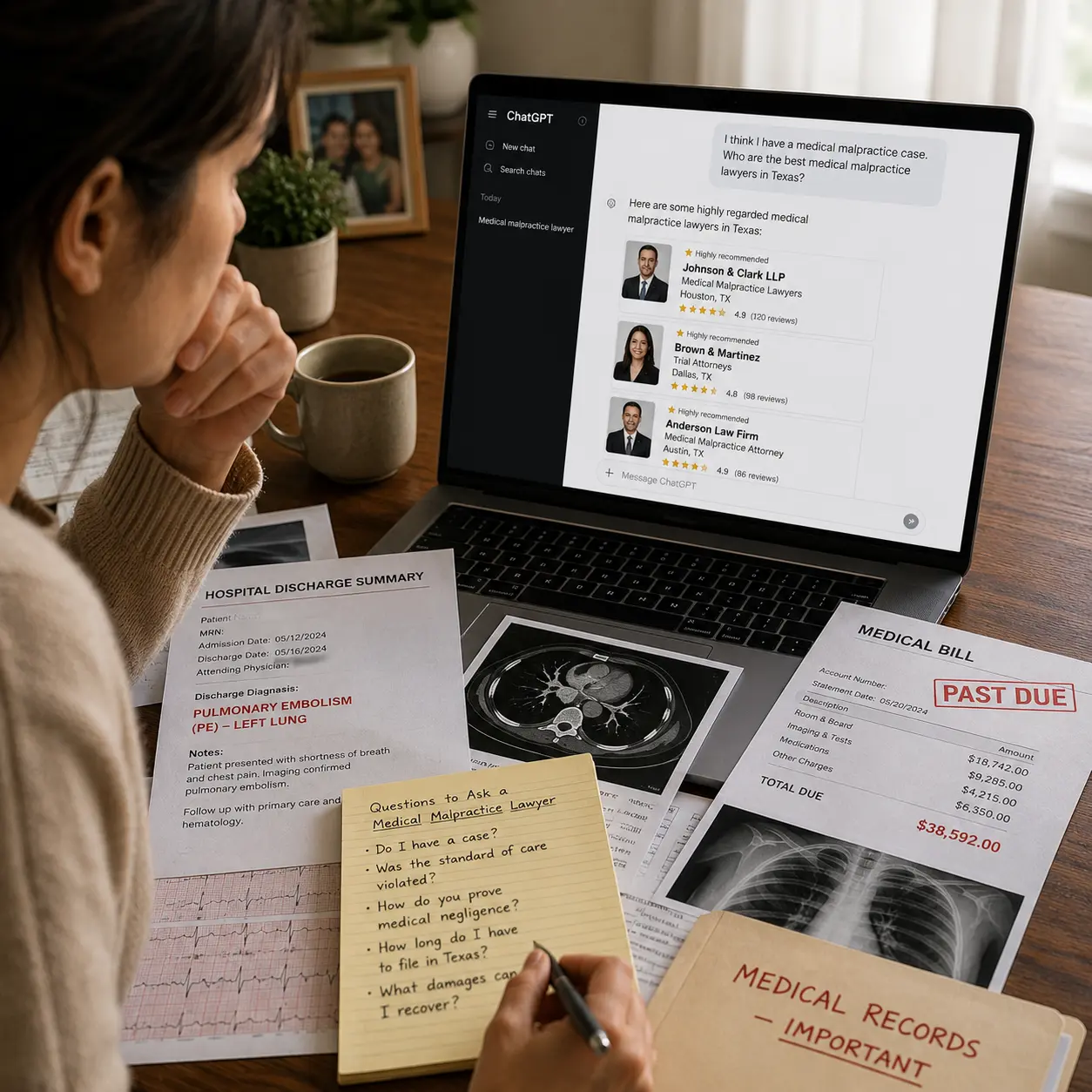


Your knowledge base isn't just customer support documentation anymore. It's one of the most underutilized assets for Answer Engine Optimization (AEO), capable of positioning your brand as the authoritative answer across ChatGPT, Perplexity, and Google's AI Overviews.
While most businesses focus on SEO strategies for their blogs, they overlook the goldmine sitting in their help centers. Knowledge bases naturally align with how AI systems surface information: direct answers, structured guidance, and practical solutions. When optimized correctly, these resources become citation magnets that drive high-intent traffic and establish brand authority in AI-driven search results.
This guide will show you how to transform your knowledge base from a passive support tool into an active AEO engine that generates visibility, builds trust, and captures demand across answer engines.
Why Knowledge Bases Excel at AEO
Knowledge bases are uniquely suited for AEO because they're built around the same principles that answer engines prioritize: clarity, specificity, and utility.
Unlike blog content that might explore topics broadly, knowledge base articles exist to answer one focused question per page. They skip the fluff, get straight to the solution, and provide step-by-step instructions, exactly what AI systems look for when extracting answers.
Consider how people interact with answer engines. They ask specific questions like "How do I reset my password?" or "What integrations does your product support?" These aren't exploratory searches; they're targeted queries seeking immediate solutions. Your knowledge base is designed to deliver precisely that.
The numbers tell a compelling story. People spend nearly a third of their workday searching for information, yet 81% of customers attempt self-service before contacting support. Only 14% succeed. Answer engines are stepping in to close this gap by surfacing direct answers from knowledge bases that are structured for AI consumption.
When ChatGPT or Perplexity scans content for answers, they prioritize sources that demonstrate expertise through clear structure, practical examples, and comprehensive coverage. Your knowledge base already contains this expertise, it just needs AEO optimization to become discoverable.
Stop treating FAQs as filler. Transform them into structured, search-optimized assets that capture long-tail traffic and AI-powered visibility.
.png)
How to Optimize Knowledge Base Content for Answer Engines
Answer One Specific Question Per Article
AI systems excel at matching user queries to focused content. Structure each knowledge base article around a single, well-defined question.
Instead of creating a sprawling article titled "Account Management," break it into specific pieces: "How to reset your password," "How to update billing information," "How to delete your account." This granular approach makes it easier for answer engines to extract and cite your content.
Use Questions as Headers
Transform your headings into natural language questions that mirror how users speak to AI assistants. Instead of "Password Reset Procedure," write "How Do I Reset My Password?"
This simple shift accomplishes two things: it improves scannability for human readers and increases the likelihood that AI systems will recognize your content as a direct match for user queries.
Lead with the Answer
Don't bury your solution in paragraphs of context. Place the core answer at the beginning of your article, then provide supporting details and step-by-step instructions.
For example:
Ineffective: "Account security is crucial for protecting user data. Many factors contribute to secure access, including password strength and recovery methods. Our system offers several options for password management"
AEO-optimized: "To reset your password, click 'Forgot Password' on the login screen and follow the email instructions. Here's the complete process:"
Answer engines prioritize content that delivers immediate value, and starting with the solution ensures your expertise gets recognized.
Include Troubleshooting and Edge Cases
Real-world usage is rarely perfect. Users encounter errors, exceptions, and unexpected scenarios. Comprehensive knowledge base articles that address these situations perform better in AEO because they match a wider range of related queries.
Add sections like:
- "What if this doesn't work?"
- "Common variations"
- "Troubleshooting steps"
- "Known limitations"
Optimize for Conversational and Long-Tail Queries
People ask AI assistants questions differently than they type into search engines. Voice queries and ChatGPT prompts tend to be longer, more conversational, and more specific.
The long tail of AEO queries is approximately four times larger than traditional SEO. Users ask detailed questions like "Which meeting transcription tool integrates with Looker via Zapier to BigQuery?" These hyper-specific queries might seem niche, but they represent high-intent users who are closer to making decisions.
Structure your knowledge base content to capture these micro-niche questions. If your product has specific integrations, workflows, or use cases, create dedicated articles for each one.
Make Your Knowledge Base Discoverable
Implement Clear Information Architecture
AI systems navigate and understand content through structure. Organize your knowledge base with clear categories, subcategories, and tags that create logical content hierarchies.
Use breadcrumbs that follow your URL structure to help both users and AI understand content relationships. For example: Home > Account Settings > Password Management > Reset Password.
Create Interconnected Content Networks
Prevent orphan pages by adding "related articles" sections at the end of each article. These internal links serve multiple purposes: they help users discover relevant information, they distribute link equity throughout your knowledge base, and they create content clusters that signal topical authority to AI systems.
Cross-link articles that address related questions. If you have an article about password resets, link to articles about account security, two-factor authentication, and login troubleshooting.
Use Structured Data Markup
Implement schema markup to give answer engines explicit information about your content type and structure. FAQ schema, HowTo schema, and Article schema help AI systems classify and extract information more effectively.
While structured data doesn't guarantee citations, it removes ambiguity and makes your content easier for answer engines to process and understand.
Optimize Your Site Search
Your internal site search data reveals exactly what users are looking for on your site. Use Google Analytics to identify high-volume search queries with high bounce rates, these represent content gaps where users aren't finding satisfactory answers.
Create new knowledge base articles to address these queries, using the exact language your users employ. This alignment ensures your content matches both user intent and the natural language patterns that answer engines recognize.
Leverage Your Knowledge Base Across Multiple Channels
Move Your Help Center to a Subdirectory
If your knowledge base lives on a subdomain (help.yoursite.com), consider migrating it to a subdirectory (yoursite.com/help) to consolidate domain authority and improve discoverability across both traditional search and answer engines.
Create Video Tutorials for Technical Topics
YouTube is increasingly cited by answer engines, yet most B2B companies ignore video content for technical topics. This represents a significant opportunity.Create simple screen-recording tutorials for common workflows, feature explanations, and troubleshooting guides.
Build Presence on Reddit and Community Forums
Answer engines, particularly ChatGPT, trust community platforms like Reddit because authentic peer recommendations carry weight. The platform's self-policing mechanism makes it a reliable source for genuine insights.
Track and Measure AEO Performance
Monitor Answer Engine Citations
Set up tracking systems to monitor when and where your knowledge base content appears as citations in answer engines. Tools that track AEO visibility can show you which articles are being referenced, which questions trigger your content, and how your citation volume changes over time.
Analyze User Behavior from AI-Driven Traffic
Traffic from answer engines converts differently than traditional search traffic. At Webflow, AI-referred visitors converted at six times the rate of Google search traffic because these users had already engaged in detailed conversations with AI assistants, building intent through multiple follow-up questions.
Identify Content Gaps with Competitor Analysis
Review which knowledge base topics your competitors cover that you don't. Use this analysis to identify content gaps where your brand could provide authoritative answers that answer engines currently lack
The Future of Knowledge Bases in AI Search
The inflection point for AEO occurred in early 2025 when ChatGPT made answers more actionable with clickable citations, shopping cards, and maps. Adoption accelerated rapidly, with some companies seeing AI-driven signups grow from near zero to 8% of total conversions within months.
This shift represents more than a new traffic source, it's a fundamental change in how people discover and evaluate solutions. The businesses that recognize this opportunity early and optimize their knowledge bases for AI visibility will secure a competitive advantage that compounds over time.
Key Features
- Optimize FAQs to answer one clear question directly.
- Use question-based headings mirroring natural conversational queries.
- Implement schema markup for better AI content recognition.
- Build internal links to strengthen topical authority clusters.
- Continuously update and track AI-driven citation performance.
Frequently Asked Questions?

Regular updates are essential. Review and refresh your content every few months to ensure accuracy, address new trends, and maintain relevance for both users and answer engines.
Yes! By providing clear and accessible answers to common questions, AEO empowers customers to solve problems quickly, leading to improved satisfaction and loyalty toward your brand.
Focus on common customer queries, how-to guides, troubleshooting tips, and product-related questions that align with your target audience’s needs. Prioritize straightforward, actionable answers.
You can monitor your content's performance using tools like Google Search Console, checking for featured snippet appearances, click-through rates, and rankings for question-based keywords.
Start by structuring content to answer specific questions, using headings as queries. Include concise answers at the top of your articles, offer detailed explanations below, and keep troubleshooting steps clear and actionable.