.jpg)


For years, marketers have chanted the mantra: "SEO takes time." We built strategies around keywords, backlinks, and rankings, patiently waiting for our efforts to pay off. But while we were optimising for search engines, a new intelligence emerged. AI didn't just change the rules of the game; it created a new one entirely.
The future of online visibility is no longer about climbing a list of blue links. It's about becoming the answer. This requires a fundamental shift in how we approach content, moving from Search Engine Optimization (SEO) to newer paradigms: Answer Engine Optimisation (AEO) and Generative Engine Optimisation (GEO). This guide will break down what these acronyms mean and provide a clear roadmap for adapting your strategy to the AI-driven search era.
The End of an Era for Traditional SEO
For over two decades, the SEO playbook was straightforward: find keywords, write content, build links, and climb the rankings. But the landscape has become increasingly complex. Google's algorithm updates, the rise of zero-click results, and overwhelming content saturation have made traditional SEO more expensive and less predictable.
Then came AI-powered tools like ChatGPT, Perplexity, and Google's own AI Overviews. The search bar is evolving into a conversational interface. In a conversation, you don't rank.You either provide the answer, or you are invisible. This presents a critical problem for businesses whose websites were built to be indexed by search engines, not understood by an artificial intelligence. If your content isn't structured to be the source, AI will simply pass you by.
Understanding AEO (Answer Engine Optimisation)
Answer Engine Optimisation (AEO) is the practice of structuring your content so that "answer engines" like ChatGPT, Gemini, and voice assistants can extract concise, verifiable answers and cite your brand as the source. AEO is not about getting a user to click a link; it's about positioning your website as the most reliable source of information for a direct query.
To achieve this, AEO focuses on technical clarity. It employs strategies like:
- Structured HTML: Using clean, well-organised code that machines can easily parse.
- Semantic Headings: Creating a logical hierarchy of headings (H1, H2, H3) that outlines the content's structure.
- Clear Language: Writing in simple, direct language that avoids jargon and ambiguity.
With AEO, the goal is to make your content so clear and authoritative that an AI has no choice but to select it as the definitive answer.
Understanding GEO (Generative Engine Optimisation)
Generative Engine Optimisation (GEO) is the strategy for influencing how AI models synthesise and present information in their generated summaries. While AEO focuses on providing direct, extractable answers, GEO is concerned with being included and favorably mentioned within a broader, AI-constructed narrative.
GEO recognises that generative AI doesn't just pull one answer. It often combines information from multiple sources to create a comprehensive summary. The goal of GEO is to ensure your content is not only a source but also a key part of the larger conversation. This involves creating in-depth, authoritative content that positions your brand as a thought leader, making it more likely to be featured in AI-generated responses.
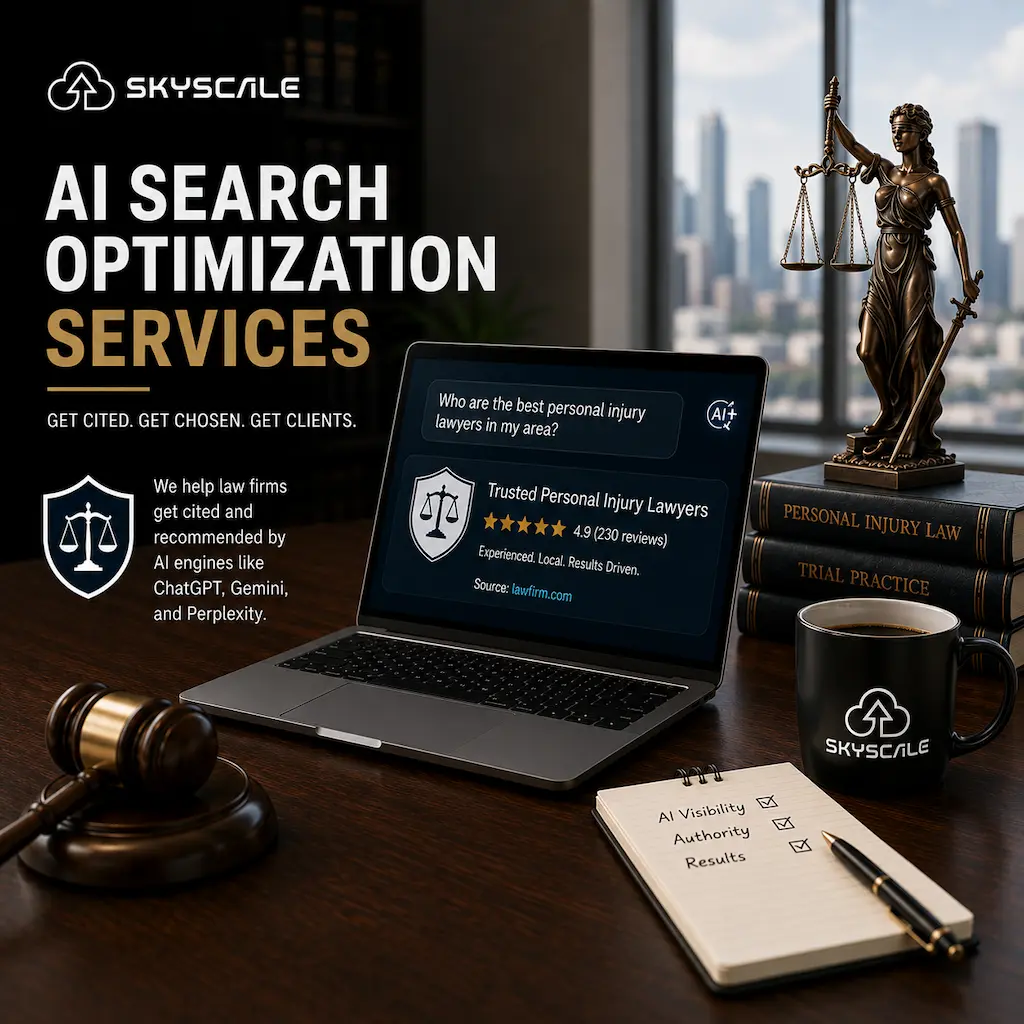
Search has evolved beyond rankings. Optimise for AEO and GEO to ensure your brand is cited, trusted, and surfaced in AI-generated answers.
.png)
Key Differences: SEO vs. AEO vs. GEO
While these three disciplines are interconnected, they have distinct goals:
- SEO (Search Engine Optimisation): Focuses on ranking web pages across various search interfaces to drive traffic to a website.
- AEO (Answer Engine Optimisation): Focuses on providing direct answers and being cited as the primary source in snippets and conversational AI.
- GEO (Generative Engine Optimisation): Focuses on being included and mentioned within broader, AI-synthesised summaries and recommendations.
Think of it this way: SEO gets you on the shelf, AEO makes you the specific product the assistant hands to the customer, and GEO ensures you're mentioned in the "best products of the year" guide.
Why E-E-A-T Still Matters More Than Ever
As generative content floods the web, trust has become the most valuable currency. Google's E-E-A-T guidelines. Experience, Expertise, Authoritativeness, and Trustworthiness, are more critical than ever. Both traditional search engines and AI models are designed to prioritise content from credible sources.
AI tools, in particular, need to act as trusted companions. They evaluate and verify information before recommending it. Demonstrating your expertise through well-researched content, citing primary sources, and showcasing real-world experience signals to these systems that your information is reliable. E-E-A-T is no longer just an SEO best practice; it's a foundational requirement for both AEO and GEO.
Strategies for an AEO and GEO World
Adapting to this new landscape doesn't require abandoning everything you know about SEO. Instead, it involves adding new layers to your existing strategy. Here are four practical steps you can take today:
Fix Your Core Web Vitals
A fast, mobile-friendly, and secure website remains essential. Google’s Core Web Vitals are a measure of user experience, and a technically sound site is easier for both humans and AI crawlers to navigate. Use tools like Google PageSpeed Insights to identify and fix performance issues.
Create Concise FAQs
Answer engines love short, direct answers. Develop FAQ sections that address common user questions in 40-60 words. This format is perfect for featured snippets and direct extraction by AI. Structure these FAQs clearly on relevant pages to intercept user queries before they look elsewhere.
Implement Schema Markup
Schema markup is a form of structured data that helps search engines understand the context of your content. Implementing schemas like FAQPage, HowTo, and Article provides explicit clues to AI crawlers, making it easier for them to classify and feature your information in rich results and answers.
Build Topic Hubs with Primary Sources
Demonstrate your authority by creating comprehensive topic hubs, collections of content centered around a core theme. A hub might consist of a central "pillar" page linked out to more detailed "cluster" articles. Within this content, link to primary sources like government studies, academic research, and industry reports to bolster your credibility and trustworthiness.
A New Foundation for Digital Visibility
SEO is not dead, but it has evolved. Simply chasing rankings is no longer enough. The future of online discovery belongs to brands that can effectively communicate their expertise to both humans and machines.
By expanding your strategy to include Answer Engine Optimisation and Generative Engine Optimisation, you can build a more resilient digital presence. The goal is to create content that is so clear, authoritative, and trustworthy that it becomes the answer, no matter where your audience is searching. Start implementing these strategies today to ensure your brand remains visible and relevant in the age of AI.
Key Features
- Shows shift from SEO to AI-driven discovery.
- Explains AEO creating clear answers for conversational engines.
- Defines GEO shaping brand presence in generative summaries.
- Highlights E-E-A-T as foundation for AI credibility.
- Provides practical steps for optimising content for AI.
Frequently Asked Questions?

Generative Engine Optimization takes content creation a step further by optimizing it for AI-driven platforms and tools, ensuring that your brand's information aligns seamlessly with generative AI models for accurate and trustworthy responses.
Optimizing for both ensures that your messaging is understandable and engaging for human readers while also being structured and formatted to meet the needs of AI and search algorithms, maximizing visibility and trust.
Prioritize informational content such as FAQs, how-to, in-depth guides, and structured data that simplify complex topics and demonstrate your brand’s expertise, authority, and trustworthiness.
Success can be measured through increased visibility in search results and AI-based systems, higher engagement metrics like click-through rates and time on page, and improved conversion rates stemming from trust in your content.
Successful AEO and GEO strategies rely on a foundation of well-structured, high-quality content tailored to the target audience's needs. Key components include optimizing for voice and AI-powered search, implementing structured data and schema markup, ensuring fast page load times, delivering a mobile-friendly user experience, and localizing content to align with regional and cultural contexts.