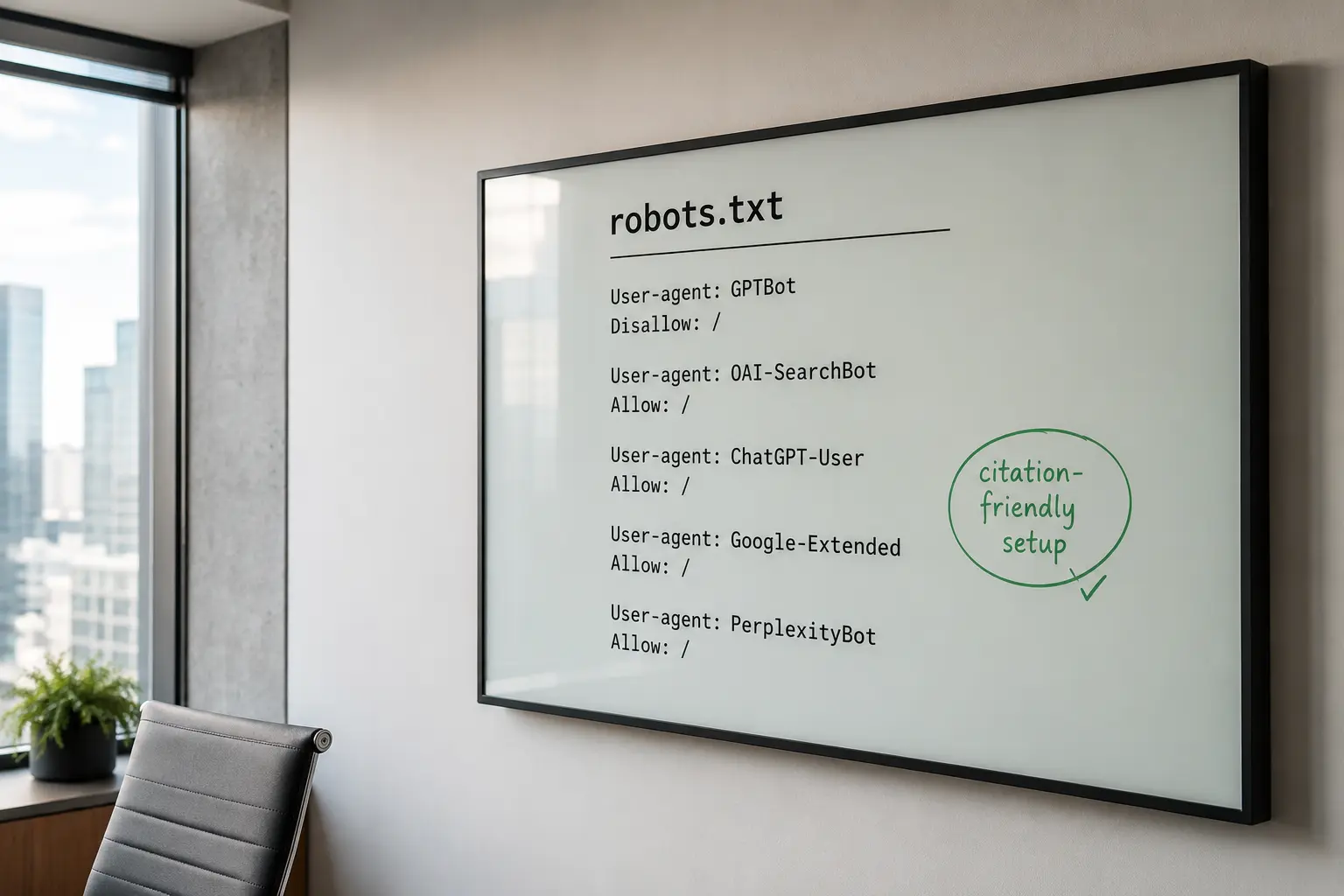
Tips for Optimizing Your AEO Strategy

Discover actionable tips to refine your AEO strategy, enhancing content accessibility, user experience, and search discoverability effectively.

November 8, 2025
By
Eden John
In
Build
Updated on :
November 8, 2025
 |
6 min read

Table Of Content

AI search engines are rewriting the rules of discovery. While traditional SEO focused on ranking for keywords, Answer Engine Optimization (AEO) demands something deeper: content that AI can understand, trust, and recommend.

But here's the challenge, many brands are making critical mistakes that prevent their content from appearing in AI-generated responses. Whether you're optimizing for ChatGPT, Google's AI Overviews, or Perplexity, these missteps can leave your brand invisible in the very place your audience is searching.

This guide breaks down the most common AEO errors and shows you how to fix them. By understanding what AI search engines prioritize, you can create content that doesn't just rank. It gets featured, cited, and recommended.

Overlooking User Intent in Content Creation

AI search engines don't just match keywords,they interpret meaning. When someone types "best running shoes," they might want product reviews, buying guides, or tips on choosing the right fit. Your content needs to answer the why behind the search, not just repeat the phrase.

User intent is the foundation of effective AEO. If your content doesn't align with what people are actually looking for, AI won't recommend it. Think of it this way: AI search engines act as personal assistants. They need to understand exactly what the user wants, and your content must provide that answer clearly and directly.

Why Keywords Alone Aren't Enough

Traditional SEO taught us to target specific phrases and sprinkle them throughout our content. But AI doesn't need repetition to understand relevance,it needs context. Instead of keyword density, focus on semantic richness. Use natural language, answer related questions, and explore subtopics that add depth.

For example, if you're writing about "meal planning," don't just repeat the phrase. Cover aspects like time-saving strategies, nutritional balance, budget-friendly tips, and beginner-friendly approaches. This signals to AI that your content is comprehensive and valuable.

The Cost of Missing the Mark

When your content fails to address user intent, several things happen:

  • AI skips your content: Search engines prioritize pages that directly answer queries.
  • Engagement drops: Readers click away quickly if they don't find what they need.
  • Conversions suffer: Misaligned content rarely leads to meaningful actions.

Neglecting Structured Data and Schema Markup

Structured data is the language AI uses to understand your content. Without it, even well-written articles can be overlooked because AI can't confidently interpret what they're about.

Schema markup acts as a translator between your content and AI search engines. It labels the important elements: product details, FAQs, reviews, author information. So AI knows exactly what each section means. This clarity increases your chances of being featured in AI-generated answers, rich snippets, and voice search results.

Why Schema Matters for AI Visibility

Think of schema markup as metadata that makes your content machine-readable. When you add it, you're telling AI: "This is a product page, here's the price, here's the rating, here's availability." That specificity helps AI pull accurate information when generating responses.

Without structured data, AI has to guess. And when it's unsure, it simply moves on to content that's clearer.

Common Schema Implementation Mistakes

Many businesses either skip schema entirely or implement it incorrectly. Here are the most frequent errors:

Using outdated or incorrect schema types: Always reference the latest standards from Schema.org to ensure compatibility.

Missing required properties: Incomplete markup reduces its effectiveness. Double-check that all necessary fields are filled.

Marking up invisible content: Only apply schema to content users can see. Hidden markup can trigger penalties.

Overloading pages with irrelevant markup: Keep schema focused and relevant to avoid confusing AI.

Ready to Gain More Visibility?

Increase your visibility in AI-driven search with Answer Engine Optimization. We’ll help your business rank in Google SGE, ChatGPT, and Bing Copilot, driving more traffic, trust, and conversions while strengthening your online presence.

Send My Analysis

Focusing Only on Keywords Instead of Context

How AI Interprets Content Differently

Natural language processing allows AI to grasp synonyms, related terms, and semantic connections. For instance, if someone searches "how to save money," AI recognizes that "budgeting tips," "cutting expenses," and "financial planning" are all relevant. Your content doesn't need to repeat "save money" endlessly, it needs to cover the topic comprehensively.

AI also evaluates how well your content addresses the full scope of a query. A single paragraph won't cut it if the question requires depth. Instead, structure your content to answer the main question, then explore related subtopics that add value.

Why Context Beats Keywords in AEO

When you prioritize context over keywords, you create content that feels natural and informative. This approach benefits both AI and human readers. AI can confidently recommend your content because it understands the full picture, and readers stay engaged because the writing flows smoothly.

To shift your focus from keywords to context:

  • Expand your topic coverage: Don't just answer one question, address related concerns and common follow-ups.
  • Use natural language: Write as if you're explaining the topic to someone face-to-face.
  • Incorporate semantic variations: Include related phrases and concepts without forcing repetition.

Ignoring Site Performance and Technical SEO

Even the best content won't matter if AI can't access, understand, or recommend it. Site performance and technical SEO form the foundation of AEO , without them, your optimization efforts are built on shaky ground.

AI search engines prioritize user experience signals. Fast load times, mobile responsiveness, and secure connections all contribute to how AI evaluates your site. If your pages are slow or difficult to navigate, AI interprets that as a poor user experience, and it affects your visibility.

Why Site Speed and Mobile Optimization Matter

Most searches now happen on mobile devices, and AI knows it. If your site isn't mobile-friendly, you're automatically cutting out a significant portion of potential traffic. Similarly, slow-loading pages frustrate users and increase bounce rates, both of which signal to AI that your content isn't delivering value.

Technical SEO ensures AI can efficiently crawl, index, and interpret your site. This includes:

  • HTTPS security: A trust signal for both users and AI.
  • Proper indexing: Ensure your important pages are discoverable and crawlable.
  • Clean site structure: Logical navigation helps AI understand your content hierarchy.
  • Error-free experiences: Broken links and 404 pages disrupt user journeys and confuse crawlers.

Technical Issues That Undermine AEO

Several common problems can sabotage your AI search optimization:

Slow page load times: Use tools like Google PageSpeed Insights to identify and fix performance bottlenecks.

Missing or incorrect sitemaps: Make it easy for AI to find and understand your content structure.

Duplicate content: Use canonical tags to clarify which version of similar pages should be prioritized.

Incomplete structured data: Ensure your schema markup is accurate and comprehensive.

Fixing these issues isn't optional, it's essential. A technically sound site builds trust with AI, making it more likely your content will be featured in AI-generated responses.

Forgetting to Update and Optimize for Evolving AI Algorithms

AI search algorithms don't stand still. They evolve constantly as developers refine how AI interprets language, understands intent, and ranks content. What worked six months ago might not work today, and strategies that succeed now could shift tomorrow.

This constant evolution means AEO isn't a one-time task, it's an ongoing process. Brands that treat optimization as a set-and-forget strategy quickly fall behind. Staying visible in AI search requires continuous monitoring, adaptation, and improvement.

Why Regular Updates Matter

AI learns from fresh signals. When you update your content regularly, you signal that your information is current and relevant. This is particularly important for topics that change frequently, industry trends, product updates, or data-driven insights.

But updates aren't just about adding new information. They're also about refining how your content aligns with evolving AI expectations. As algorithms improve, they get better at identifying high-quality, well-structured content. Your job is to ensure your pages meet those rising standards.

How to Stay Ahead of Algorithm Changes?

Here's a practical framework for keeping your AEO strategy current:

The most successful brands treat AEO as a living strategy. They understand that AI search is still evolving, and they evolve with it. By staying proactive and adaptable, you position your content to remain visible no matter how algorithms change.

The future of search belongs to those who think beyond rankings and focus on relevance. Make your content the answer AI chooses first.

Growth Focused

Encourages immediate action tied to the promise of higher visibility.

Send My Analysis

    Key Features

  • Focus on user intent, not just keywords.
  • Implement structured data for stronger AI visibility.
  • Prioritize context and semantic richness over repetition.
  • Maintain fast, mobile-friendly, technically sound websites.
  • Continuously update content for evolving AI algorithms.

Frequently Asked Questions?

Why is structured data important for AI search?

Drop down icon

How does AI evaluate relevance in search results?

Drop down icon

Will keywords still matter in an AI-first search landscape?

Drop down icon

How do I stay ahead of evolving AI search trends?

Drop down icon

What are some tools that can help with AI search optimization?

Drop down icon
Eden John | Founder & CEO
Eden John, CEO & Founder of Skyscale, leads with a passion for data-driven digital growth. He specializes in SEO, AEO, and GEO optimization, helping global brands scale visibility and achieve measurable results through smart, AI-powered strategies.

Stay Ahead in the AI Search Era

AI-driven engines are reshaping how users discover brands. Let’s optimize your content for ChatGPT, Perplexity, and Google SGE to keep you visible and relevant.

Send My Analysis

Related Blogs

November 14, 2025
The Impact of AI on Local Business Growth in Melbourne
November 14, 2025
AI & Digital Marketing: Australia's Next Chapter
November 14, 2025
How AEO Can Secure Your Business Future in Victoria

Let’s Get Your Brand Ranking in Gemini

If your business isn’t cited in Gemini’s AI answers, you’re invisible to a fast-growing share of searchers.
We’ll help you secure AI-first visibility and put your brand where decisions are made.

Copyright ©2025 Skyscale. All Rights Reserved.