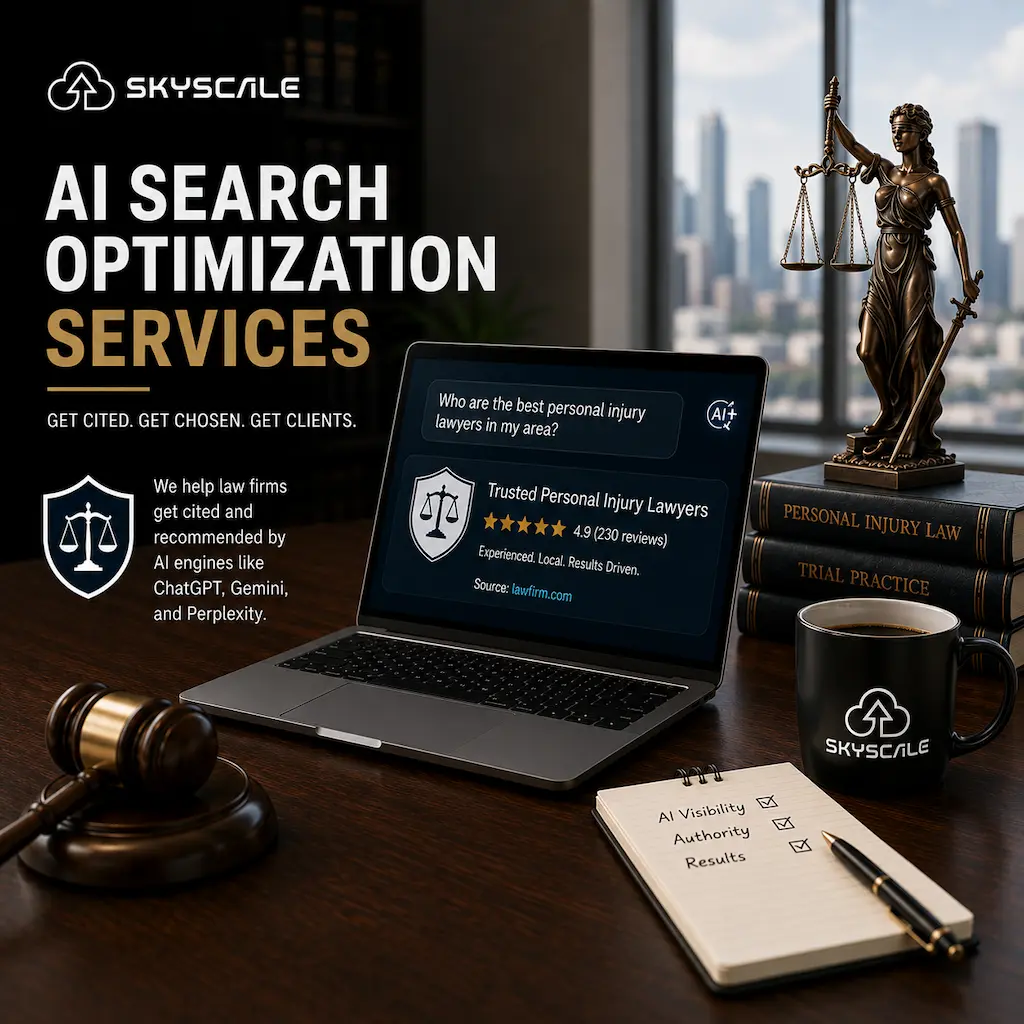


The rules of product discovery have changed. Consumers no longer scroll through pages of search results. They ask AI engines for instant recommendations and trust the answers they receive. For eCommerce brands, this shift from traditional SEO to AI-powered search represents both a challenge and an opportunity.
If your products aren't optimised for how AI engines interpret, synthesize, and recommend information, you're losing visibility to competitors who are. The brands winning in this new landscape aren't just ranking on Google, they're being featured in ChatGPT conversations, recommended by Gemini, and surfacing in Copilot results.
This article explores how eCommerce businesses can adapt their strategies to thrive in the AI search era. We'll cover the fundamentals of Answer Engine Optimisation (AEO), practical implementation strategies, and the tools that will help you maintain competitive advantage as search continues to evolve.
Understanding AI Search and Answer Engine Optimisation
Traditional search engines present lists of relevant links. AI search engines synthesize information and deliver direct answers, product recommendations, and purchasing guidance, often without requiring users to leave the interface.
This fundamental shift demands a new optimisation approach. Answer Engine Optimization focuses on structuring your product information so AI systems can easily parse, understand, and recommend it within conversational contexts.
How AI Engines Process Product Information
AI search platforms like ChatGPT, Google's AI Mode, and Microsoft Copilot don't simply match keywords. They analyze structured data, interpret natural language queries, and synthesise recommendations based on contextual relevance and authority signals.
When a consumer asks "What's the best wireless headphones under $200 for running?", AI engines evaluate multiple data points: product specifications, customer reviews, price comparisons, and usage scenarios. Your visibility depends on how well your product information addresses these contextual elements.
Zero-Click Search and Impression-Based Visibility
Zero-click searches, where AI provides complete answers without requiring site visits, now account for a significant portion of all queries. While this might seem to threaten traffic-based metrics, it actually creates new opportunities for brand influence.
Products consistently featured in AI-generated recommendations build cumulative authority and consumer trust, even when users don't immediately click through. This "invisible influence" manifests as increased direct traffic, higher conversion rates from other channels, and improved customer lifetime value.
Key Strategies for AI Search Optimisation in eCommerce
Optimising for AI search requires technical precision, strategic content architecture, and a deep understanding of how AI systems evaluate and recommend products.
Implement Comprehensive Structured Data
Structured data serves as your primary communication method with AI engines. JSON-LD markup must include detailed product attributes, specifications, compatibility information, and contextual usage scenarios.
Beyond basic schema implementation, your structured data should help AI systems understand not just what your products are, but when and why consumers should consider them. This includes seasonal relevance, use case scenarios, and comparative advantages over alternatives.
Create AI-Optimised Product Content
Product descriptions must balance comprehensiveness with clarity. AI engines favor content that provides complete information in formats they can easily parse and synthesise.
This means including:
- Detailed technical specifications with contextual explanations
- Clear use case scenarios and applications
- Compatibility information and requirements
- Comparative advantages backed by specific features
- Customer benefit statements tied to measurable outcomes
Leverage User-Generated Content Strategically
Customer reviews and testimonials carry significant weight in AI search contexts. AI engines often synthesise review sentiment and specific feedback to provide balanced product recommendations.
Encourage detailed customer reviews that mention specific use cases, product features, and purchase contexts. This user-generated content helps AI systems understand your products' real-world performance and relevance for different consumer segments.
AI discovery is transforming online shopping. Optimise your eCommerce store for AI-driven search so your products get surfaced, cited, and chosen first.
.png)
The AI Visibility Index: Understanding What Wins
Recent research from Semrush Enterprise's AI Visibility Index reveals critical insights about which brands dominate AI search results and why they succeed. The study analyzed 2,500 real-world prompts across ChatGPT and Google AI Mode, uncovering patterns that separate visible brands from invisible ones.
Key Findings That Matter for eCommerce
The research confirms several fundamental truths about AI search visibility:
Traditional SEO rankings don't guarantee AI visibility. Brands ranking first on Google often don't appear in AI-generated recommendations. AI models prioritise structured data, transparent pricing, and strong third-party validation over traditional ranking signals.
Mentions matter more than citations. Being referenced in AI-generated answers drives exponentially higher visibility than simply serving as a data source. Brands must optimise for contextual relevance within conversational responses.
User-generated content drives authority. Forums, reviews, and authentic customer conversations have become primary drivers of brand visibility in AI search results. AI engines trust aggregate user sentiment more than brand-controlled content.
Applying These Insights to Your Strategy
These findings demand specific tactical adjustments. Focus on building comprehensive review profiles across multiple platforms. Ensure your pricing information is clearly structured and accessible. Create content that answers specific questions AI users ask, not just keywords they might search.
Tools and Technologies for AI Search Success
Effective AI search optimisation requires sophisticated tools that go beyond traditional SEO platforms.
AI-Powered Search Analytics
Platforms like Semrush Enterprise's AI Optimisation tool help brands monitor their visibility across major AI search engines. These tools track how often your products appear in AI-generated recommendations and identify optimization opportunities based on competitive analysis.
Semantic Search and Natural Language Processing
Understanding how AI engines interpret natural language queries helps you structure content for maximum relevance. Tools that analyze semantic relationships between concepts, products, and customer needs inform more effective content strategies.
Focus on conversational query patterns rather than individual keywords. Optimise for the natural progression of questions potential customers ask throughout their purchase journey, ensuring your products remain visible across extended AI conversations.
Preparing for the Future of AI Search
AI search capabilities continue advancing rapidly. Successful eCommerce brands build adaptive optimisation strategies that evolve with changing AI technologies and consumer behaviors.
This requires technical infrastructure that can accommodate new structured data requirements, content strategies that scale with expanding AI capabilities, and measurement frameworks that capture emerging attribution patterns.
Investment in AI search optimisation should be viewed as essential infrastructure development, not experimental tactics. Brands establishing strong AI search foundations now gain sustainable competitive advantages that become increasingly difficult for competitors to overcome.
Start by auditing your current product content and structured data implementation. Identify gaps in how AI engines might interpret your offerings. Then systematically address technical foundations, content quality, and strategic positioning to ensure your products appear when consumers ask AI for recommendations.
The transformation from traditional SEO to AI search optimisation represents the most significant shift in eCommerce marketing since the rise of mobile commerce. Your strategic response to this change will determine whether your brand leads or follows in the AI-powered future of product discovery.
Key Features
- Shows how AI transforms eCommerce product discovery forever.
- Explains structuring product data for intelligent AI recommendations.
- Highlights user reviews powering authority in AI search.
- Reveals strategies for zero-click visibility and influence.
- Provides tools to optimize products for AI engines.
Frequently Asked Questions?

AI-powered search redefines how customers discover products by using conversational prompts and personalized recommendations. This shift demands brands optimize for AI algorithms to stay competitive and visible in this evolving landscape.
Businesses should focus on understanding how AI interprets customer queries, refine their product data for accuracy, enhance content relevance, and implement structured data to align with AI-driven search systems.
While traditional SEO remains valuable, it must evolve. AI search prioritizes contextual understanding and conversational queries, meaning a balanced approach integrating modern AI strategies with SEO fundamentals is essential.
Absolutely. Smaller businesses can leverage tailored strategies, unique product offerings, and agility to adapt quickly to AI search, carving out distinct niches and engaging customers effectively.
Collaboration is key. Cross-functional teams, including marketing, data science, and development, must work together to align strategies, leverage insights, and stay ahead in the rapidly advancing AI-driven marketplace.