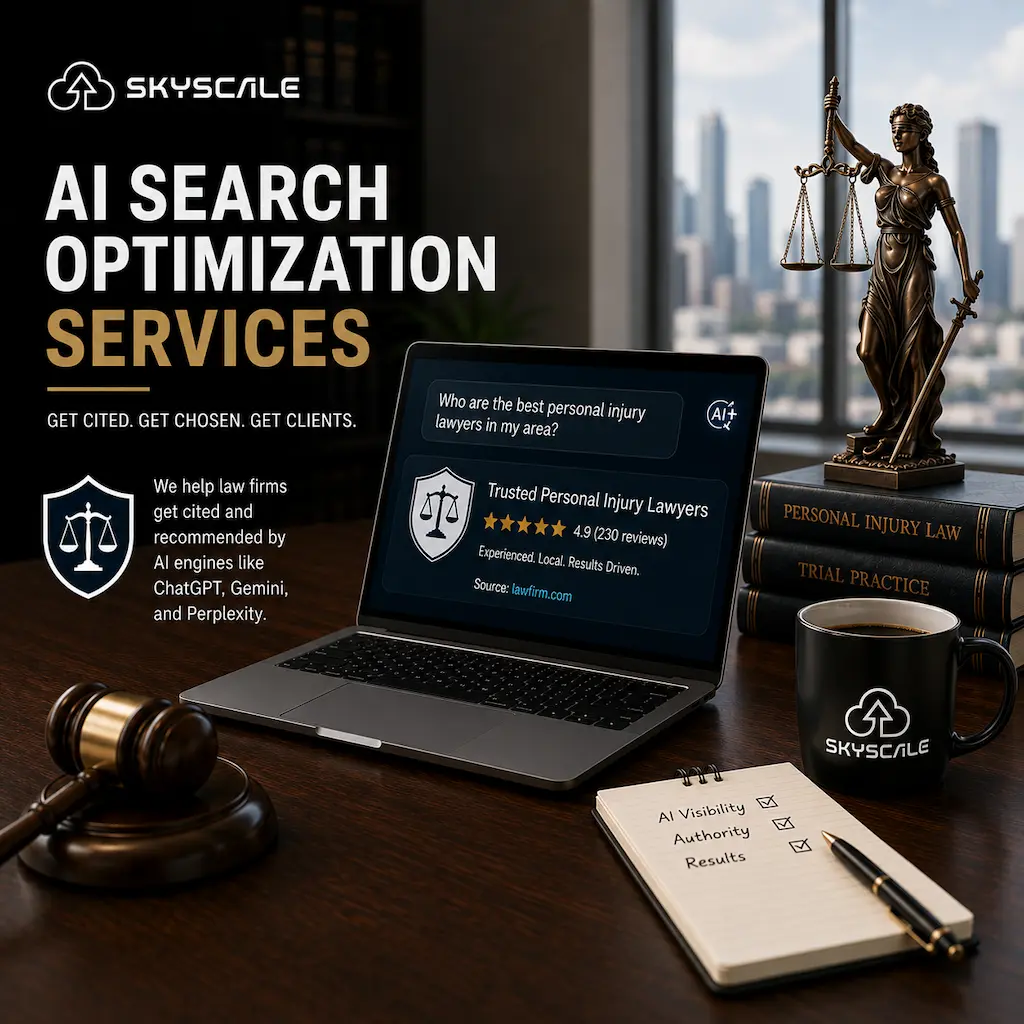
The rise of AI-powered search has fundamentally shifted how content gets discovered online. Large Language Models (LLMs) like ChatGPT, Claude, and Perplexity aren't just answering questions, they're becoming primary traffic sources for forward-thinking brands. But here's what most businesses don't understand: LLMs don't "rank" websites the way Google does. They select, interpret, and cite content based on entirely different criteria.
This misconception has led to confusion about LLM SEO, the practice of optimising content specifically for AI systems. Unlike traditional SEO, which focuses on climbing search engine results pages, LLM SEO aims to become the authoritative source that AI trusts enough to reference in conversations with users.
The stakes are higher than you might think. AI Overviews now appear in over 13% of all searches, and when they do, click-through rates for top-ranking pages drop by 34.5%. Meanwhile, businesses optimising for LLMs report that AI-powered platforms have become their second-highest traffic source, accounting for over 5% of total organic visits.
What Makes LLM SEO Different from Traditional SEO
Traditional SEO and LLM SEO serve different masters. Where traditional SEO chases search algorithms and keyword rankings, LLM SEO focuses on getting AI systems to understand, trust, and cite your content during real-time conversations with users.
The fundamental difference lies in how these systems work. Search engines crawl, index, and rank pages based on hundreds of ranking factors. LLMs, however, fetch relevant information from across the web in real-time, synthesise it, and present answers while citing sources they deem most credible and relevant.
This means your content needs to serve both human readers and AI systems that require clean, structured data they can parse efficiently. The goal has shifted from just ranking high in search results to becoming the go-to source that AI chooses when answering user queries about your industry or expertise area.
Why LLM Optimisation Matters Now More Than Ever
LLMs have transformed from experimental tools into essential discovery platforms. ChatGPT's search feature, powered by Bing's infrastructure, Perplexity's web crawler PerplexityBot, and Google's AI Overviews represent a fundamental shift in how people find information online.
When someone asks ChatGPT for business advice, product recommendations, or industry insights, the AI doesn't just provide generic responses, it actively searches the web, evaluates sources, and cites specific websites that best answer the query. This creates unprecedented opportunities for brands that understand how to structure their content for AI consumption.
The impact extends beyond direct citations. AI-powered search engines are increasingly influencing traditional search rankings, creating a feedback loop where LLM-optimised content performs better across all discovery channels.
AI models don’t rank pages, they choose sources. Position your brand to be cited, trusted, and surfaced in AI-generated answers across LLM platforms.
.png)
Technical SEO Remains Your Foundation
Before diving into LLM-specific tactics, ensure your technical SEO foundation is solid. AI systems need clean, accessible content to work with, making traditional technical elements more critical than ever.
Site speed, mobile responsiveness, and crawlability directly impact whether LLMs can access and process your content effectively. Internal linking helps AI systems understand relationships between your content pieces, while E-E-A-T signals (Experience, Expertise, Authoritativeness, Trustworthiness) provide the confidence indicators that AI needs before citing your content.
Think of technical SEO as the infrastructure that makes everything else possible. Without it, even perfectly structured content for LLMs won't reach its full potential.
Answer Engine Optimisation: Structure Content for Direct Questions
Answer Engine Optimisation (AEO) focuses specifically on structuring content to answer direct questions that users might ask AI systems. This approach differs significantly from traditional keyword targeting.
Start by researching questions related to your industry using Google's "People Also Ask" feature and ChatGPT's autocomplete suggestions. Structure your content with question-based headings followed immediately by clear, definitive answers that AI can extract cleanly.
Use FAQ formats, numbered steps, and descriptive headings that clearly indicate your content's purpose. Keep headings under 60 characters and maintain consistent heading levels, don't jump from H2 to H4. This consistency helps AI systems understand your content hierarchy and extract relevant information more effectively.
Write in a conversational, Q&A format that mirrors how people actually ask questions. Instead of "Marketing Strategies for Small Businesses," use "What Are the Most Effective Marketing Strategies for Small Businesses?" This approach aligns with how users interact with AI systems.
Generative Engine Optimisation: Make Content Machine-Readable
Generative Engine Optimisation (GEO) goes deeper into making your content machine-readable through structured data, entity markup, and metadata that AI crawlers can parse efficiently.
Implement proper schema markup using Schema.org standards. Focus on Article schema for blog posts, FAQPage schema for frequently asked questions, HowTo schema for tutorial content, Product schema for eCommerce, and Organisation schema for brand credibility. Use Google's Structured Data Markup Helper to generate JSON-LD code for your pages, content with proper schema gets referenced 3x more often than identical content without markup.
Consider implementing an llms.txt file in your root directory. This emerging web standard helps websites communicate effectively with LLMs by providing clear information about your site structure, contact details, and key content areas.
Map out 5-7 key entities you want to connect with your brand, then consistently reference these throughout your content. This helps AI systems understand the relationships between concepts, people, and organisations within your expertise area.
Essential Tools and Resources for LLM SEO
Several tools can streamline your LLM optimisation efforts. Start with Bing Webmaster Tools, since Bing powers much of the AI-driven search in ChatGPT, strong Bing rankings often translate to better ChatGPT visibility.
For schema markup, use the technicalseo.com schema markup generator to create structured data for your pages. Google's Structured Data Markup Helper remains invaluable for tagging relevant elements and generating clean JSON-LD code.
Don't overlook social platforms like Reddit for content research. Many successful LLM SEO strategies involve finding and answering recurring questions from these communities, as AI systems often reference popular discussion threads when providing comprehensive answers.
Building Authority That AI Systems Trust
AI models prioritise content from sources they can verify as credible and authoritative. Google's E-E-A-T framework has become even more critical for LLM SEO because AI systems need confidence indicators before citing your content.
Focus on earning mentions on other websites and publications related to your industry. These external references help establish your brand as a trusted source that AI systems are more likely to cite. Share exclusive research and data to demonstrate deep expertise, and publish case studies that add credibility to your claims.
Keep your content fresh by updating web pages with new optimised content every 3-6 months and republishing with new dates. AI systems favour current, well-maintained content over outdated information.
Avoid using AI to generate your content entirely. While AI can assist with research and ideation, publishing original content that hasn't been seen elsewhere on the internet increases your chances of being cited as a primary source.
The Future of AI-Powered Discovery
LLM SEO represents more than just another optimisation channel, it's the foundation for how brands will be discovered in an AI-driven world. As these systems become more sophisticated and widely adopted, businesses that understand how to structure content for AI interpretation will maintain significant competitive advantages.
The most successful approach combines traditional SEO fundamentals with LLM-specific optimisation techniques. Technical SEO provides the foundation, AEO structures your content for direct questions, and GEO makes everything machine-readable. Together, these elements create a unified strategy that works across traditional search engines, AI chat interfaces, and generative search platforms.
Start by auditing your existing content through an LLM lens. Are your answers clear and immediately actionable? Is your structured data properly implemented? Are you consistently building the authority signals that AI systems use to evaluate credibility? These questions will guide your optimisation efforts and help you stay ahead as the search landscape continues evolving.
Key Features
- Explains how LLMs select, interpret, and cite content.
- Shows differences between traditional SEO and LLM SEO.
- Reveals strategies to optimize content for AI.
- Highlights importance of authority signals for AI trust.
- Teaches brands to structure content for answers.
Frequently Asked Questions?

LLM SEO focuses on optimising content so AI systems like ChatGPT, Claude, and Perplexity can understand, trust, and cite it in conversations. Traditional SEO aims to rank pages in search results, while LLM SEO aims to become the authoritative source AI selects when answering real user questions.
No. LLMs don’t rank pages in a list. Instead, they retrieve, synthesise, and reference content they consider credible and relevant. This means visibility depends on authority, clarity, and structure, not keyword rankings or backlink volume alone.
Technical SEO ensures AI systems can access, crawl, and interpret your content efficiently. Fast load times, clean site structure, internal linking, and strong E-E-A-T signals help AI engines confidently reference your content. Without a solid technical foundation, LLM-focused optimisation won’t perform effectively.
AEO helps structure content around direct questions users ask AI systems. Clear headings, concise answers, FAQ formats, and conversational language make it easier for LLMs to extract and reuse your content accurately in AI-generated responses.
Brands can improve citation likelihood by publishing original, well-structured content, implementing schema markup, strengthening authority through trusted mentions, and keeping content up to date. AI systems prioritise sources they can verify, trust, and clearly understand.